
No products in the cart.

 4Aug
4AugWhether you’re sealing an automotive door, protecting sheet metal edges, or improving the finish of industrial equipment, selecting the correct trim seal is essential for long-term performance. The right seal not only protects against dust, water, and vibration but also improves safety, durability, and product appearance.
With various materials, profiles, and installation methods available, choosing the best option can be confusing. This guide explains everything you need to know about selecting the right trim seal for your application, including material selection, environmental factors, installation tips, and common mistakes to avoid.
What Is a Trim Seal?
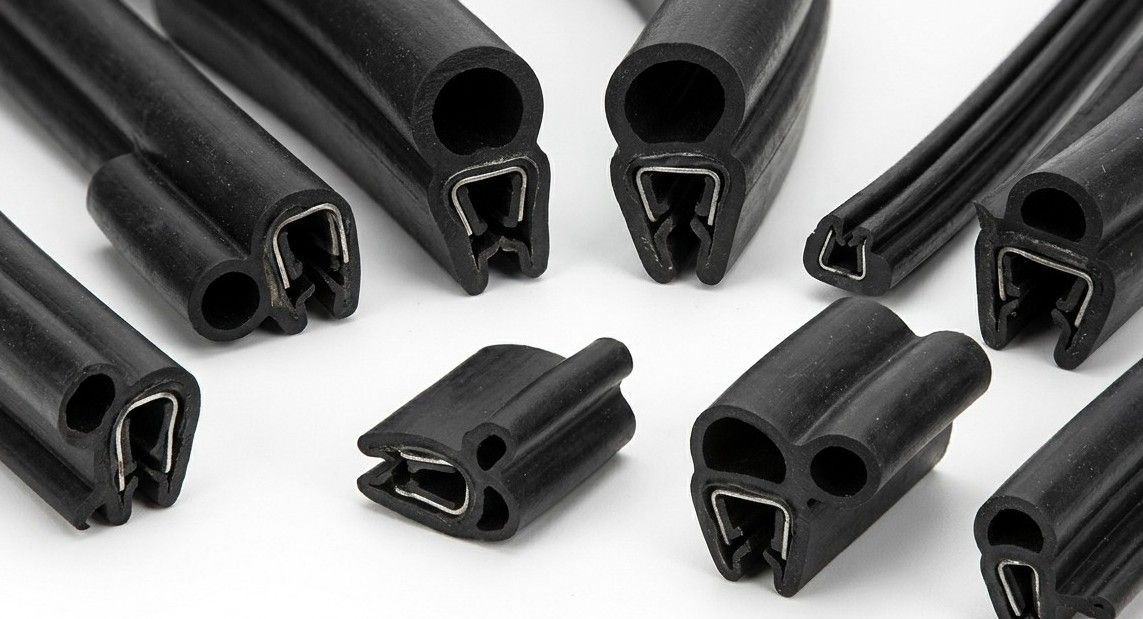
A trim seal is a flexible sealing profile that combines an edge trim with a compressible sealing bulb. It fits over exposed metal, fiberglass, plastic, or composite edges while creating a protective seal against environmental elements.
Trim seals are commonly manufactured from EPDM rubber, PVC, or thermoplastic elastomers and are widely used in automotive, marine, construction, industrial machinery, and electrical enclosures.
Common Applications
| Industry | Typical Use |
| Automotive | Vehicle doors, trunks, engine compartments |
| Industrial Equipment | Machine guards and access panels |
| Electrical | Control cabinets and enclosures |
| Marine | Boat hatches and storage compartments |
| Construction | Metal doors, windows, access panels |
| HVAC | Equipment housing and service panels |
Why Choosing the Right Trim Seal Matters
Using the wrong trim seal can lead to:
- Water leakage
- Dust infiltration
- Excessive vibration
- Noise transmission
- Premature seal failure
- Poor equipment appearance
- Increased maintenance costs
Selecting the correct seal improves equipment lifespan while reducing repair and replacement expenses.
Factors to Consider When Choosing a Trim Seal
1. Identify the Edge Thickness
The first step is measuring the material edge where the trim seal will be installed.
Different trim seals are designed for different panel thicknesses. An oversized seal may become loose, while an undersized seal can be difficult to install and may fail prematurely.
Always measure the panel thickness accurately before selecting a profile.
2. Consider the Operating Environment
Environmental conditions have a major impact on seal performance.
Ask yourself:
- Will the seal be exposed to sunlight?
- Is it used outdoors?
- Will it contact oils or chemicals?
- Is there high humidity?
- Are temperatures extremely hot or cold?
For outdoor applications, EPDM trim seals offer excellent resistance to UV rays, ozone, and weathering.
3. Choose the Right Material
Different materials perform better in different environments.
| Material | Best For | Advantages |
| EPDM Rubber | Outdoor use | UV, ozone, weather resistance |
| PVC | Indoor applications | Cost-effective and flexible |
| Silicone | High temperatures | Excellent heat resistance |
| TPE | General industrial use | Flexible and recyclable |
For most industrial and automotive applications, EPDM rubber trim seals provide the best balance of durability and performance.
Select the Correct Bulb Shape
The sealing bulb compresses when a door, panel, or lid closes.
Common bulb profiles include:
- Side bulb
- Top bulb
- Large bulb
- Small bulb
- Hollow bulb
- Sponge bulb
Choose a bulb size that compresses approximately 30 to 50 percent when closed. Excessive compression shortens seal life, while insufficient compression reduces sealing effectiveness.
Check Compression Requirements
Compression determines how effectively a trim seal prevents:
- Water ingress
- Dust penetration
- Air leakage
- Noise transmission
Too much compression can permanently deform the seal.
Too little compression leaves gaps that reduce sealing performance.
Proper compression ensures consistent sealing over thousands of opening and closing cycles.
Consider Installation Method
Most edge trim seals feature internal steel clips that grip the panel securely without adhesives.
Some applications may also require:
- Pressure-sensitive adhesive backing
- Mechanical fasteners
- Specialized locking profiles
Choose an installation method suitable for maintenance requirements and operating conditions.
Evaluate Chemical Resistance
Industrial environments often expose seals to:
- Hydraulic oil
- Fuel
- Cleaning chemicals
- Solvents
- Grease
Not every rubber material resists chemicals equally.
Review compatibility charts before selecting a seal, particularly for manufacturing and processing facilities.
Think About Temperature Range
Temperature affects flexibility and sealing performance.
Typical operating ranges include:
| Material | Temperature Range |
| EPDM | -40°C to 120°C |
| Silicone | -60°C to 200°C |
| PVC | -20°C to 60°C |
Selecting the appropriate material prevents cracking, hardening, or deformation.
Noise and Vibration Reduction
One overlooked benefit of trim seals is vibration damping.
In machinery and vehicles, trim seals help:
- Reduce rattling
- Minimize vibration
- Lower operating noise
- Improve user comfort
This makes them ideal for generators, industrial equipment, automotive panels, and electrical cabinets.
Common Applications of Trim Seals
Automotive
Automotive trim seals improve weather protection around:
- Vehicle doors
- Tailgates
- Engine compartments
- Windows
- Storage compartments
Industrial Machinery
Industrial equipment uses trim seals to protect moving parts while reducing contamination from dust and moisture.
Electrical Enclosures
Electrical cabinets require reliable sealing to maintain enclosure integrity and protect sensitive components.
Marine Equipment
Marine environments demand trim seals that resist:
- Saltwater
- UV exposure
- Moisture
- Temperature changes
EPDM remains one of the preferred materials for these conditions.
Common Mistakes to Avoid
Many buyers choose the wrong trim seal because they overlook key specifications.
Avoid these mistakes:
- Guessing panel thickness
- Ignoring environmental exposure
- Choosing based only on price
- Using indoor seals outdoors
- Overcompressing the sealing bulb
- Selecting the wrong material for chemicals
- Skipping temperature considerations
Proper planning helps extend seal life and reduce maintenance costs.
Maintenance Tips
Although trim seals require minimal maintenance, regular inspection improves performance.
Best practices include:
- Clean seals periodically
- Remove dirt and debris
- Inspect for cracks or hardening
- Replace damaged sections promptly
- Check for proper compression
Preventive maintenance ensures reliable sealing throughout the product’s service life.
Conclusion
Choosing the right trim seal involves more than simply matching dimensions. You need to consider edge thickness, material compatibility, operating environment, temperature resistance, and compression requirements to ensure long-lasting performance. The right trim seal helps protect equipment from dust, moisture, vibration, and wear while improving safety and appearance.
If you’re looking for high-quality trim seals for automotive, industrial, marine, or construction applications, Ismat Trading offers a wide range of reliable sealing solutions to meet your requirements. Contact us today for expert guidance in selecting the right trim seal for your application and explore our range of industrial sealing products.
Explore More Industrial Materials & Component Solutions
- Silicone vs Rubber: What’s the Real Difference: Compare two of the most widely used industrial materials.
- I Tested Industrial Rubber Products: What Lasted Longest: See which materials held up best under real world stress.
- Different Types of Plastic Seals and Their Applications: Learn how plastic seals protect goods across industries.
- Static vs Dynamic Seals: What Is the Difference: Understand the key differences between seal types.
- How to Select Caster Wheels That Meet Industry Expectations: Learn what to look for when choosing durable caster wheels for demanding job sites.


