
No products in the cart.

 14Jul
14JulPolyurethane has become one of the most trusted materials in modern construction. Builders and engineers rely on it because it holds up under pressure, resists moisture, and adapts to almost any surface or shape. Whether it is used to insulate a rooftop or bond two building panels together, this material quietly does a lot of heavy lifting behind the scenes.
If you are planning a project and wondering where polyurethane fits in, this guide walks through five of its most common uses in construction today.
What Makes Polyurethane Useful in Building Projects
Before getting into the applications, it helps to understand why this polymer is so widely used. Polyurethane can be formulated as a rigid foam, a flexible coating, or a strong adhesive depending on what a project needs. This flexibility in formulation is rare among building materials.
Some of its standout qualities include the following.
- Strong resistance to moisture and mold
- Good tolerance for temperature swings
- High bonding strength on wood, metal, concrete and glass
- Long service life with low maintenance
These properties are why polyurethane keeps showing up across so many parts of a building, from the foundation to the roofline.
1. Insulation That Keeps Energy Costs Down
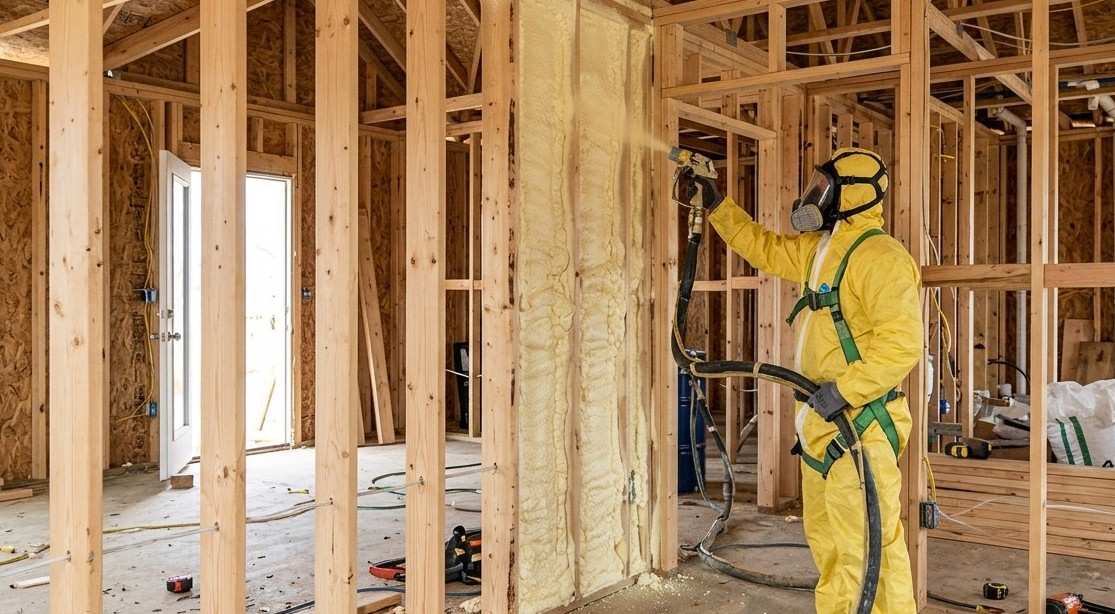
Insulation is probably the most recognized use of polyurethane in construction. Rigid polyurethane foam creates a thermal barrier that keeps heat where it belongs, whether that means keeping warmth inside during winter or keeping it out during summer.
Spray polyurethane foam is especially popular because it expands into gaps and cavities that other insulation types cannot reach easily. This helps seal off drafts around doors, windows and rooflines while also adding a layer of protection against moisture buildup.
Builders like it for a few practical reasons.
- A thinner layer often matches or beats thicker traditional insulation
- It frees up usable space inside walls and roofs
- It adds moisture resistance on top of thermal performance
2. Adhesives That Hold Structures Together
Polyurethane adhesives are known for combining strength with a bit of flexibility, which matters when materials expand or contract with temperature changes. This makes them a common choice for flooring installation, panel assembly and sealing structural joints.
One reason contractors favor these adhesives is their ability to bond very different materials together such as wood to metal or concrete to glass. Few adhesive types manage that range of compatibility as well.
For projects that need a more custom formulation, working with a specialized polyurethane products supplier allows engineers to fine tune tensile strength, heat tolerance or chemical resistance for their specific application. This is particularly useful in environments with heavy loads or extreme humidity where a standard adhesive may not perform reliably.
It also helps to understand how this material compares to alternatives before choosing a bonding solution. The polyurethane versus rubber comparison breaks down where each material holds an advantage depending on the job.
3. Protective Coatings for Surfaces That Take a Beating
Steel, concrete and wood surfaces face constant wear from weather, chemicals and general use. Polyurethane coatings act as a shield against corrosion, ultraviolet damage and chemical exposure, which is why they show up so often on bridges, parking structures and high traffic commercial floors.
These coatings offer a few clear advantages on active job sites.
- High resistance to abrasion in busy traffic areas
- Low maintenance compared to painted finishes
- Better tolerance for harsh cleaning agents
In demanding climates or industrial settings, material choice becomes even more important. The guide on material performance in harsh operating environments shows how the wrong choice can shorten a product’s usable life significantly.
4. Sealants That Keep Water and Air Out
Polyurethane sealants are built to move with a structure rather than crack under pressure. Their elastic quality allows them to absorb the natural expansion and contraction that happens as temperatures shift throughout the year.
This makes them a reliable choice for several common applications.
- Sealing joints and expansion gaps
- Window and door frame installations
- Roof lines and facade seams
A well applied polyurethane sealant can prevent small leaks from turning into bigger structural issues down the road.
5. Supporting More Sustainable Construction
Sustainability has become a bigger priority across the construction industry, and polyurethane plays a role here too. Better insulation performance means buildings use less energy to heat and cool, which lowers their overall environmental footprint.
Longer lasting coatings and adhesives also mean less material waste over time since surfaces and joints need fewer repairs. Newer developments in bio based polyurethane formulations are pushing this even further by using renewable inputs without giving up performance.
Choosing the right building materials also connects to other product decisions on a job site. Teams researching engineering plastics for structural components often face similar questions around durability, cost and long term value.
Why Polyurethane Often Outperforms Traditional Materials
When compared with conventional building materials, polyurethane tends to hold an edge in a few key areas.
- Lighter weight, which simplifies handling and installation
- Faster installation timelines on most job sites
- Stronger moisture resistance across varying conditions
- Lower lifecycle cost due to reduced repair and maintenance needs
What to Look For in a Polyurethane Supplier
The performance of any polyurethane application depends heavily on the quality of the material itself. Poorly formulated foam or adhesive can fail early, leading to costly repairs. This is why many contractors work directly with a trusted supplier who can match formulations to project requirements rather than relying on generic off the shelf products.
A good supplier will also offer technical guidance on things like cure time, temperature tolerance and substrate compatibility, which helps avoid problems before they start.
Conclusion
Polyurethane continues to prove itself as one of the more adaptable materials available to builders today. From insulation and adhesives to coatings and sealants, it solves practical problems that traditional materials often struggle with.
As construction standards keep shifting toward efficiency and sustainability, this versatile polymer is likely to remain a staple on job sites for years to come. Choosing the right formulation and the right partner for each application makes the difference between a quick fix and a solution that lasts for decades.
Looking For Reliable Polyurethane Solutions That Meet Industry Standards?
From formulation selection and bonding strength to weather resistance and long term durability, choosing the right supplier is just as important as choosing the right material. ISMAT Trading is a trusted supplier of high performance polyurethane solutions engineered to meet the safety, durability and performance requirements of industrial and commercial construction projects across Saudi Arabia.
Contact our polyurethane experts today for professional guidance on selecting the right materials for your project, ensuring long term safety, durability and performance for your build.
Explore More Industrial Materials & Component Solutions
- Silicone vs Rubber: What’s the Real Difference: Compare two of the most widely used industrial materials.
- I Tested Industrial Rubber Products: What Lasted Longest: See which materials held up best under real world stress.
- Different Types of Plastic Seals and Their Applications: Learn how plastic seals protect goods across industries.
- Static vs Dynamic Seals: What Is the Difference: Understand the key differences between seal types.
- How to Select Caster Wheels That Meet Industry Expectations: Learn what to look for when choosing durable caster wheels for demanding job sites.


