
No products in the cart.

 24Apr
24AprSeals are critical components in industrial and mechanical systems where fluid or gas containment is required. From hydraulics to automotive engines, they ensure system integrity under pressure, motion, and temperature variation.
In engineering design, seal selection is not just a mechanical decision but a performance defining factor. Choosing between static sealing solutions and dynamic sealing systems directly affects leakage control, maintenance cycles, and equipment lifespan.
What Are Seals in Engineering?
A seal is a mechanical component used to block the passage of fluids or gases between two surfaces.
Seals are used to:
- Prevent leakage of oil, gas, or water
- Maintain pressure in systems
- Reduce friction and wear
- Improve machine reliability and safety
Now let’s understand the two main types.
What Are Static Seals?
Static seals are sealing components used between two surfaces that do not move relative to each other. Their main function is to prevent leakage of fluids or gases in fixed connections by creating a tight, compressed barrier.
Key Characteristics of Static Seals:
- No relative movement between sealing surfaces
- High resistance to internal pressure
- Long service life when properly installed
- Simple design and low maintenance requirements
- Common failure causes include compression loss or material degradation
These seals are widely used in industrial systems where joints remain stationary after assembly.
How Static Seals Work
Static seals work on a simple principle: compression sealing. Once installed between two fixed surfaces, the seal is compressed tightly. This compression fills microscopic gaps between the surfaces and prevents any leakage.
Since there is no movement involved, static seals maintain a stable and long-lasting sealing performance when installed correctly.
Common Types of Static Seals
Static sealing applications use different seal designs depending on pressure, temperature, and material compatibility.
The most common types include:
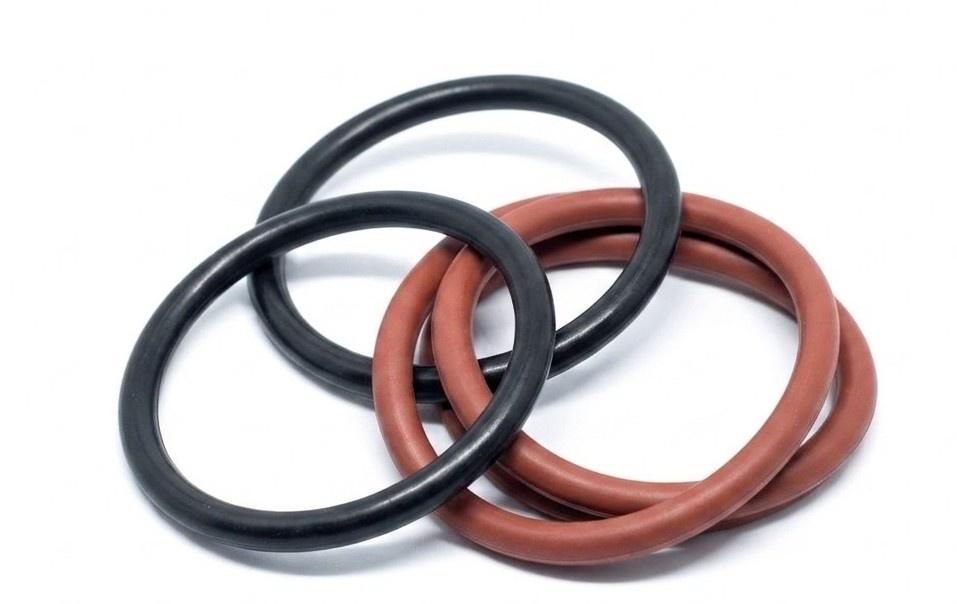
- O-rings (used in fixed or stationary joints)
- Gaskets (flat sealing materials between surfaces)
- Flat seals (simple compression-based seals)
- Metal-to-metal seals (used in high-pressure applications)
Each type is selected based on system requirements such as pressure resistance and chemical exposure.
What Are Dynamic Seals?
Dynamic seals are sealing components used between two surfaces that move relative to each other. Their primary function is to prevent leakage while allowing continuous motion such as rotation, sliding, or reciprocation.
Key Characteristics of Dynamic Seals
- Works under constant movement and motion
- Experiences higher wear and friction compared to static seals
- Often requires proper lubrication for smooth operation
- Designed for flexibility, durability, and long-term performance
How Dynamic Seals Work
Dynamic seals function by maintaining a continuous sealing barrier between moving parts.
Unlike static seals, they must adapt to movement while still preventing leakage of fluids or gases. Depending on the application, they can handle:
- Rotating motion
- Back-and-forth (reciprocating) motion
- Sliding or oscillating movement
This combination of sealing and motion control makes them highly specialized components.
Common Types of Dynamic Seals
Different types of dynamic seals are used depending on application requirements:
- Piston seals – used in hydraulic and pneumatic cylinders
- Rod seals – prevent leakage along moving rods
- Rotary shaft seals – used in rotating machinery
- Lip seals – flexible seals used in various dynamic applications
Each type is engineered for specific movement and pressure conditions.
Static vs Dynamic Seals: Core Engineering Differences
Motion and Operational Environment
- Static seals operate in fixed joints where no movement occurs between surfaces.
- Dynamic seals function in continuous or intermittent motion environments.
This fundamental difference defines all design, material, and failure behavior differences.
Wear and Lifecycle Behavior
- Static seals experience minimal wear because they remain stationary after installation.
- Dynamic seals experience constant wear due to frictional contact during operation.
This is why dynamic sealing systems often require scheduled maintenance and replacement cycles.
Pressure Handling Capability
- Static seals can handle extremely high pressure because compression remains constant.
- Dynamic seals must balance pressure resistance with flexibility and motion adaptability.
This trade off is critical in hydraulic and pneumatic system design.
Failure Modes in Real Applications
Static seal failures typically occur due to:
- Compression set over time
- Chemical degradation
- Improper installation
Dynamic seal failures often result from:
- Abrasive wear
- Thermal breakdown
- Lubrication failure
- Extrusion under pressure
These distinctions are widely documented in industrial maintenance studies and OEM service data.
Key Differences Between Static and Dynamic Seals
Here’s a simple comparison to make it crystal clear:
| Feature | Static Seals | Dynamic Seals |
|---|---|---|
| Movement | No movement | Continuous movement |
| Wear level | Low | High |
| Design complexity | Simple | More complex |
| Applications | Pipes, flanges, joints | Pistons, shafts, engines |
| Maintenance | Low | Medium to high |
| Failure cause | Compression loss | Friction & wear |
Material Science Behind Seal Performance
Modern sealing technology relies heavily on engineered elastomers. Materials like nitrile rubber and fluoroelastomers are widely used in industrial sealing systems due to their balance of flexibility and resistance.
In high load or precision driven applications, using the right high performance seal can significantly improve sealing reliability and reduce the risk of failure.
Elastomers and Polymer Engineering
Modern sealing technology relies heavily on engineered elastomers. Materials like nitrile rubber and fluoroelastomers are widely used in industrial sealing systems due to their balance of flexibility and resistance.
Dynamic seals often require hybrid materials that reduce friction while maintaining structural integrity. Many industries now rely on advanced high performance plastic compounds to improve wear resistance, reduce friction, and extend seal life in high-speed applications.
Advanced Coatings and Surface Treatments
In high performance applications, surface coatings reduce friction and improve longevity.
PTFE coatings and graphite infused compounds are commonly applied in high temperature sealing solutions to reduce wear in motion systems. In extreme environments, specially engineered high performance rubber compounds play a critical role in maintaining flexibility and sealing efficiency under pressure and heat.
How to Choose Between Static and Dynamic Seals
1- Evaluate Motion Conditions
If there is no movement between surfaces, static seals are the correct choice. If relative motion exists, dynamic sealing solutions are required.
2- Assess Pressure and Temperature
High pressure static environments allow rigid sealing materials. Dynamic systems require flexible materials that can absorb mechanical stress.
3- Consider Lifecycle Cost
Static seals offer lower long term maintenance cost due to durability. Dynamic seals may have higher replacement frequency but are essential for operational motion systems.
Common Problems in Seals (And Why They Fail)
Understanding failure helps in prevention:
Static Seal Failures:
- Improper compression
- Material aging
- Chemical damage
- Installation errors
Dynamic Seal Failures:
- Excessive friction
- Poor lubrication
- High temperature
- Surface wear or scoring
AI Overview
Static vs dynamic seals explained with key differences, applications, materials, and selection tips to improve performance, reduce leakage, and extend equipment life.
FAQs
What is the difference between static and dynamic seals?
Static seals work between fixed surfaces with no movement, while dynamic seals operate between moving parts.
What are the three types of seals?
The three main types are static seals, dynamic seals, and mechanical seals used in rotating equipment.
What are static seals used for?
Static seals are used in fixed joints like flanges, covers, and housings to prevent leakage. They are ideal for applications requiring long term sealing without movement or wear.
Which seal is better for high pressure applications?
Static seals are generally better for high pressure because they rely on compression without movement while dynamic seals can handle pressure but require careful design to prevent wear and leakage.
Conclusion
Understanding the difference between static and dynamic seals is essential for making the right engineering and purchasing decisions. Each type serves a specific purpose, and selecting the wrong seal can lead to leakage, downtime, and increased maintenance costs.
Static seals provide reliable, long term performance in fixed applications, while dynamic seals enable efficient operation in systems involving motion. A proper evaluation of pressure, temperature, movement, and material compatibility ensures optimal sealing performance and extended equipment life.
Ready to Choose the Right Sealing Solution?
For industries seeking dependable sealing performance across demanding applications, ISMAT Trading delivers high quality sealing solutions, expert technical support, and a reliable supply network tailored to your operational needs.
Contact us today for expert guidance on selecting the right static and dynamic seals designed for durability, efficiency, and long term performance.
Helpful Guides You May Like
- How to Select the Right Caster Wheel for Saudi Construction Sites: Expert tips for durable, high-performance caster wheels in Saudi construction.
- What Is a Caster Wheel? Guide to Types, Sizes & Uses: Move smarter with the right caster wheel choice for every application.
- Top Causes of Seal Failure and How to Prevent Them: Identify the root causes of seal failure and apply proven strategies to maximize sealing performance
- High Performance Seals: Types, Benefits & Industrial Uses: Explore high performance seals, their types, benefits, and key industrial applications
- Neoprene Rubber Sheets: Properties, Benefits & Applications: Durable, flexible, and built for demanding industrial applications


