
No products in the cart.

 17Apr
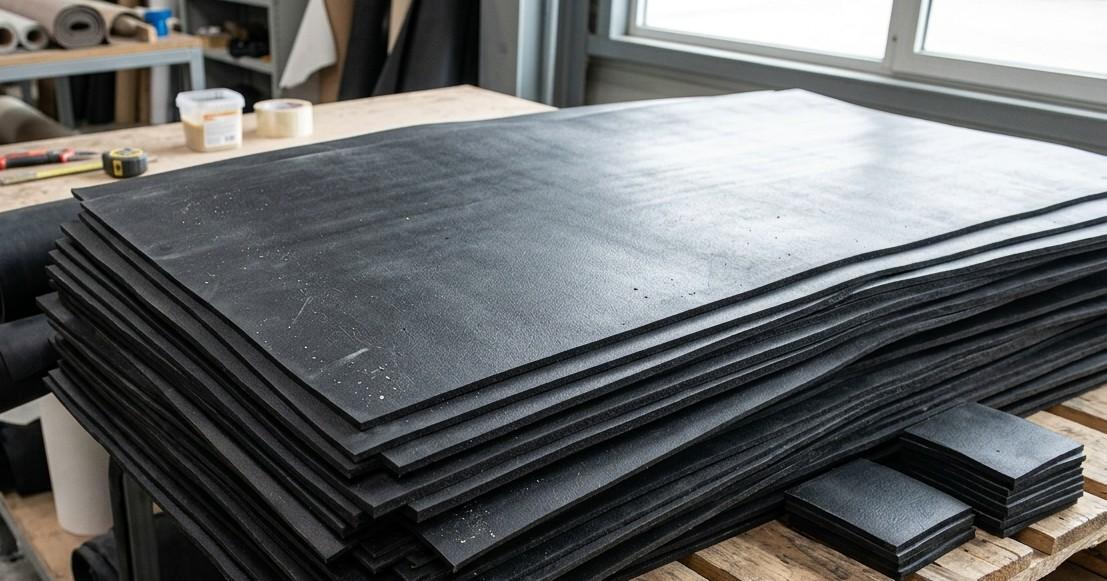
17AprNeoprene rubber sheets are widely used industrial materials known for their strength, flexibility, and ability to withstand harsh environments. They are commonly used across construction, automotive, marine, and electrical industries. Their main roles include sealing, insulation, cushioning, and protection.
What makes neoprene especially valuable is its balanced performance in different conditions, including exposure to oil, moisture, weather changes, and moderate chemicals. This durability and versatility make it a preferred material for engineers and manufacturers. In this guide, you will learn its properties, benefits, applications, and industrial uses.
What Are Neoprene Rubber Sheets?
Neoprene rubber sheets are synthetic rubber materials made from polychloroprene. They are manufactured in flat sheet form and can be cut, shaped, or molded into different components depending on industrial needs.
These sheets are designed to provide:
- Sealing against air and water
- Vibration damping
- Electrical insulation
- Resistance to oil and weather conditions
Because of these characteristics, neoprene sheets are commonly used as a replacement for natural rubber in demanding environments.
Key Properties of Neoprene Rubber Sheets
Understanding the properties of neoprene helps explain why it is used across so many industries.
1. Weather Resistance
Neoprene performs well under sunlight, ozone exposure, and changing weather conditions. Unlike many natural rubbers, it does not crack easily when exposed to outdoor environments.
2. Water and Moisture Resistance
Neoprene has low water absorption, making it suitable for marine applications, sealing gaskets, and waterproof insulation.
3. Oil and Chemical Resistance
It offers moderate resistance to oils, greases, and many industrial chemicals. This makes it ideal for automotive and machinery environments.
4. Flexibility and Elasticity
Even at different temperatures, neoprene maintains flexibility. This allows it to absorb movement, vibration, and mechanical stress.
5. Temperature Stability
Neoprene can generally perform in a wide temperature range, making it suitable for both hot and cold conditions in industrial use.
6. Durability and Tear Resistance
It has strong mechanical strength, which reduces wear and tear over time, especially in heavy duty applications.
How Neoprene Compares with Other Rubber Materials
Neoprene is often compared with other industrial rubbers based on performance and durability in different environments.
| Feature | Neoprene Rubber | Natural Rubber | Nitrile Rubber | EPDM Rubber |
|---|---|---|---|---|
| Weather Resistance | Excellent | Poor | Good | Excellent |
| Oil Resistance | Good | Poor | Excellent | Poor |
| Water Resistance | Excellent | Good | Good | Excellent |
| Flexibility | High | Very High | Medium | Medium |
| Temperature Stability | Good | Medium | Good | Excellent |
| Durability | High | Medium | High | High |
| Best Use Cases | Industrial sealing, marine, automotive | General purpose | Oil and fuel systems | Outdoor and roofing |
Neoprene stands out for its balanced resistance to oil, water, and weather, making it more versatile than most alternatives.
Benefits of Neoprene Rubber Sheets
Neoprene sheets offer multiple advantages that make them a preferred material in industrial and commercial use.
Long Service Life
Due to their resistance to environmental damage, neoprene sheets last longer than many traditional rubber materials.
Cost Effective Performance
While not the cheapest material, neoprene provides excellent long term value because it reduces replacement and maintenance costs.
Versatile Usage
Neoprene can be used in a wide range of industries including construction, automotive, marine, and electrical sectors.
Noise and Vibration Reduction
It absorbs vibration effectively, making it useful in machinery mounts and industrial equipment.
Reliable Sealing Ability
Neoprene creates strong seals against air, water, and dust, improving efficiency in mechanical and structural systems.
Safety and Insulation
It offers electrical insulation properties, making it useful in environments where safety from electrical exposure is required.
Applications of Neoprene Rubber Sheets
Neoprene rubber sheets are used in many industries due to their adaptability and strong performance.
1. Automotive Industry
Neoprene is widely used in vehicles for:
- Gaskets and seals
- Hoses and belts
- Engine mounts
- Vibration pads
It helps improve vehicle durability and reduce noise and vibration.
2. Construction Industry
In construction, neoprene sheets are used for:
- Expansion joints
- Bridge bearings
- Waterproofing layers
- Structural padding
They help absorb structural movement and reduce stress on buildings.
3. Marine Applications
Because of its water resistance, neoprene is used in:
- Boat seals
- Dock bumpers
- Waterproof coverings
- Marine insulation
It performs well in saltwater environments where corrosion resistance is important.
4. Electrical Industry
Neoprene is used for insulation and protection in:
- Electrical enclosures
- Cable protection
- Insulating pads
Its resistance to electrical conductivity enhances workplace safety.
5. Industrial Machinery
Factories and manufacturing plants use neoprene for:
- Anti vibration mounts
- Machinery padding
- Conveyor belt components
- Protective linings
It reduces machine wear and improves operational stability.
6. HVAC and Plumbing Systems
Neoprene sheets are used for:
- Pipe insulation
- Gasket sealing
- Leak prevention systems
They help maintain energy efficiency and reduce maintenance issues.
How to Choose the Right Neoprene Rubber Sheet
When selecting neoprene sheets, consider the following factors:
Thickness
Thicker sheets are used for heavy duty applications, while thinner sheets are used for sealing and insulation.
Hardness
Measured in Shore A rating, hardness determines flexibility and load handling capacity.
Environment
Consider exposure to oil, sunlight, water, and chemicals before selection.
Application Type
Different industries require different grades such as commercial grade or industrial grade neoprene.
Real World Insights and Practical Use Cases
In real industrial environments, neoprene rubber sheets are chosen when both flexibility and durability are required.
For example:
- In automotive workshops, neoprene pads are placed under heavy engines to reduce vibration and noise.
- In construction projects, neoprene bearing pads are installed between steel and concrete structures to handle load movement.
- In marine applications, neoprene seals are used to prevent water leakage in boats operating under constant pressure changes.
These use cases show how neoprene is not just a material but a performance enhancing solution, making it a key part of modern industrial rubber products used across demanding sectors.
Maintenance and Handling Tips
To extend the life of neoprene rubber sheets:
- Store them in a cool and dry environment
- Avoid prolonged exposure to extreme heat
- Keep away from sharp objects to prevent cuts
- Clean with mild soap and water when necessary
- Inspect regularly in industrial applications
FAQs
1. What is neoprene rubber sheet used for?
Neoprene rubber sheets are used for sealing, insulation, vibration control, waterproofing, and protective padding in industries like automotive, construction, and marine.
2. Is neoprene rubber waterproof?
Yes, neoprene has excellent water resistance, which makes it suitable for marine and outdoor applications.
3. How long does neoprene rubber last?
With proper use and maintenance, neoprene rubber sheets can last several years depending on environmental exposure and application type.
4. Can neoprene resist oil and chemicals?
Neoprene offers moderate resistance to oils and many chemicals, making it suitable for industrial environments but not for highly aggressive chemicals.
5. What is the difference between neoprene and natural rubber?
Neoprene offers better weather, oil, and chemical resistance compared to natural rubber, making it more durable in harsh environments.
Conclusion
Neoprene rubber sheets are highly reliable and versatile materials known for their excellent balance of strength, flexibility, and resistance to harsh environmental conditions. They perform well under exposure to oil, moisture, weather changes, and moderate chemicals, making them suitable for industries such as automotive, construction, marine, electrical, and manufacturing.
From sealing and insulation to vibration control and protective lining, neoprene delivers consistent performance in both heavy duty and precision applications, helping improve efficiency and reduce maintenance costs when the right grade and thickness are selected.
For industries across the UAE, MENA region, and Africa looking for trusted neoprene rubber sheet solutions, ISMAT Trading offers high quality materials, technical expertise, and reliable supply chain support tailored to demanding industrial needs.
Contact us today for expert guidance on neoprene rubber sheets, customized sealing solutions, and industrial grade rubber materials designed to deliver maximum durability and efficiency in critical applications.
Helpful Guides You May Like
- How to Select the Right Caster Wheel for Saudi Construction Sites: Expert tips for durable, high-performance caster wheels in Saudi construction.
- What Is a Caster Wheel? Guide to Types, Sizes & Uses: Move smarter with the right caster wheel choice for every application.
- Top Causes of Seal Failure and How to Prevent Them: Identify the root causes of seal failure and apply proven strategies to maximize sealing performance
- High Performance Seals: Types, Benefits & Industrial Uses: Explore high performance seals, their types, benefits, and key industrial applications
- Why Use a PTFE Instead of Rubber in a Rotary Shaft Seal?: Exploring how PTFE outperforms rubber in rotary shaft seals


