
No products in the cart.

 22Jul
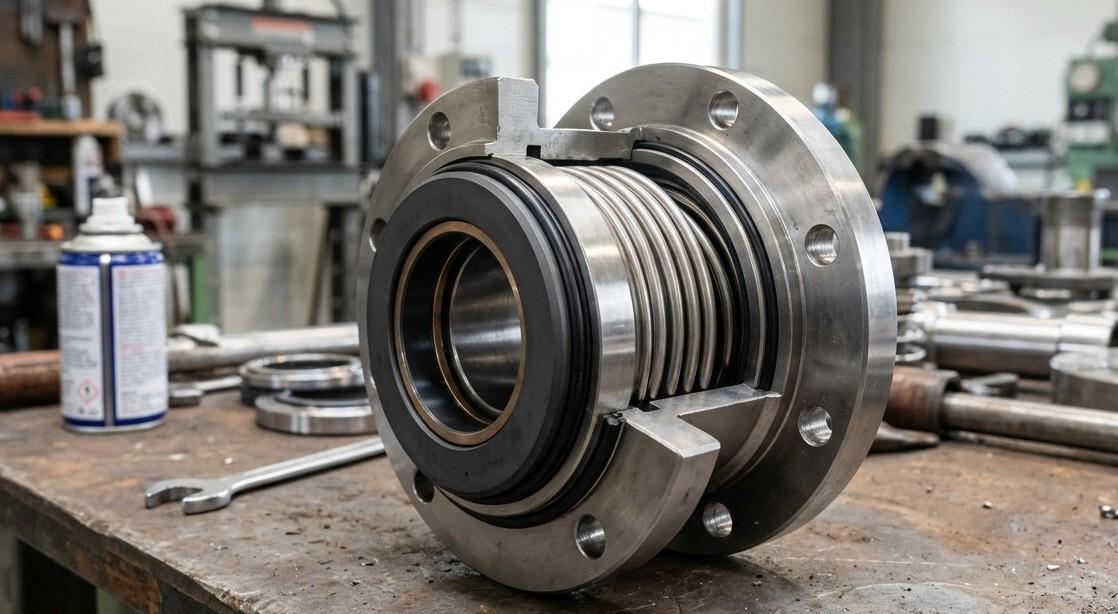
22JulMechanical seals are small components with a big job. They stop process fluid from escaping around a rotating pump shaft, and when they work well, nobody notices them at all. The trouble starts when a seal fails early, because that usually means unplanned downtime, fluid loss and sometimes damage to the whole pump.
Seal failure is rarely random. It almost always traces back to a handful of repeating problems that show up again and again across different industries. Once you know what those problems look like, you can catch them before they turn into a full breakdown.
Why Mechanical Seals Fail in the First Place
A mechanical seal works by holding two very flat faces together, one fixed and one rotating, with a thin film of fluid between them. That film lubricates and cools the seal at the same time. When heat, pressure, dirt or poor fitting disturb that balance, the faces wear unevenly and leakage follows.
Seals are also selected based on assumptions about pressure, temperature, speed and the fluid being pumped. When real operating conditions drift away from those assumptions, even a well built seal can fail long before its expected life is over.
Common Causes of Mechanical Seal Failure
Here are the causes that show up most often during seal failure investigations.
- Dry running. Operating a pump without fluid removes the lubricating film almost instantly, causing friction and heat that can destroy a seal in seconds.
- Chemical incompatibility. If the elastomer or seal face material cannot resist the pumped fluid, it will swell, crack or corrode over time.
- Incorrect installation. Misalignment, incorrect setting length or a dirty seal face can cause problems from the very first startup.
- Excess heat. High fluid temperature or poor cooling causes seal faces to distort, wear unevenly and eventually leak.
- Cavitation. Running a pump outside its performance curve creates vapor bubbles that collapse violently and erode internal components.
- Solid contamination. Sand, scale or process debris can score the seal face and lodge between the rotating and stationary rings.
- Excessive shaft movement. Worn bearings or poor alignment allow the shaft to move more than the seal was designed to absorb.
- Pressure spikes. Sudden pressure surges can force the seal faces apart momentarily, chipping the edges and creating a leak path.
Why PTFE Is Replacing Rubber in Many Rotary Seals
A large share of premature seal failures come down to material choice rather than a design fault. The seal face and elastomer both need to match the fluid, temperature and pressure of the system. This is why many facilities now choose PTFE for demanding rotary applications, especially where chemical resistance and thermal stability matter more than upfront cost.
Our guide on why PTFE outperforms rubber in a rotary shaft seal explains how this material choice affects long term reliability in harsh operating environments.
Spotting Rubber Defects Before They Cause a Leak
It also helps to understand how rubber components degrade in the first place. Compression set, swelling and surface cracking are common warning signs, and catching them early can save a full pump teardown later.
Our breakdown of common rubber product defects and proven fixes walks through what to look for during routine inspection before a small defect turns into a seal failure.
Seal Failure Causes and Prevention at a Glance
| Cause | Prevention Method |
| Dry running | Install low level sensors and flush systems |
| Chemical attack | Match elastomer and face material to the fluid |
| Poor installation | Follow manufacturer torque and alignment steps |
| Excess heat | Use balanced seals and proper cooling flush |
| Cavitation | Maintain correct NPSH and operating point |
| Solid contamination | Use hard faced seals and clean flush fluid |
| Shaft movement | Inspect and replace worn bearings regularly |
This table is a quick reference, not a full troubleshooting guide, since every application still needs its own review.
Static Seals Versus Dynamic Seals
Not every seal faces the same stress. Understanding the difference between static and dynamic seals explains why some parts fail from motion related wear while others fail purely from chemical or thermal exposure.
Our guide on static versus dynamic seals covers how each type is engineered and where it is typically used across pumps, valves and flanged connections. Knowing the category a seal falls into makes it easier to diagnose failure correctly.
Best Practices to Prevent Mechanical Seal Failure
Preventing failure is usually cheaper and simpler than fixing it after the fact. A few habits make a real difference over time.
- Always fill the pump completely before startup to avoid dry running.
- Check chemical compatibility charts before selecting elastomer materials.
- Use cartridge seals where possible, since factory presetting reduces installation error.
- Monitor vibration, temperature and bearing condition, not just the seal itself.
- Schedule routine inspection of flush lines, cooling circuits and gaskets.
- Reassess seal selection whenever process conditions or fluids change.
Small consistent maintenance steps extend seal life far more reliably than reacting after a leak appears. Our guide on high performance seals, their types and industrial uses is a useful next step for teams comparing seal designs before an upgrade.
Working With a Mechanical Seal Supplier Saudi Arabia Teams Trust
Even the best maintenance routine only works as well as the seal quality behind it. Working with an experienced mechanical seal supplier Saudi Arabia plants can rely on makes it easier to get the right face material, elastomer grade and seal design matched to your exact operating conditions rather than a generic catalog fit.
A supplier that understands local industrial conditions, from high ambient temperatures to demanding chemical processes, can help avoid repeat failures caused by mismatched components.
Final Thoughts
Mechanical seal failure is almost always preventable once the root cause is understood, whether that cause is dry running, chemical attack, poor installation or simple wear over time. Regular inspection and correct material selection go a long way toward keeping pumps running without surprises.
For dependable sealing solutions built for demanding industrial environments, ISMAT Trading stands out as a trusted supplier of high performance seals in Saudi Arabia, offering reliable materials and technical guidance across oil and gas, construction and manufacturing applications.
Contact our sealing experts for guidance on selecting the right mechanical seal for your process, along with practical support to reduce downtime and extend equipment life.
Explore More Industrial Materials & Component Solutions
- Silicone vs Rubber: What’s the Real Difference: Compare two of the most widely used industrial materials.
- I Tested Industrial Rubber Products: What Lasted Longest: See which materials held up best under real world stress.
- Different Types of Plastic Seals and Their Applications: Learn how plastic seals protect goods across industries.
- Static vs Dynamic Seals: What Is the Difference: Understand the key differences between seal types.
- How to Select Caster Wheels That Meet Industry Expectations: Learn what to look for when choosing durable caster wheels for demanding job sites.


