
No products in the cart.

 4Jul
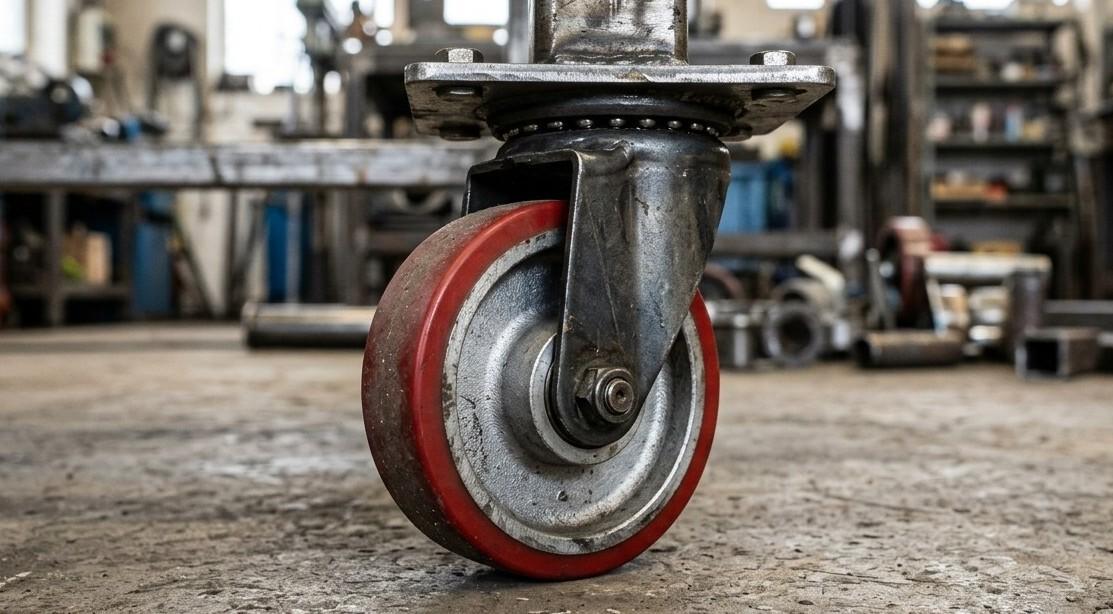
4JulCaster wheels may look like a small component, but they carry the full weight of daily operations in warehouses, hospitals, factories and commercial spaces. A wrong choice can lead to floor damage, equipment failure, safety hazards and unnecessary downtime.
Selecting the right caster wheel is not about picking the cheapest option. It is about matching the wheel to the load, the flooring and the movement pattern of your facility. This guide breaks down the factors industry professionals evaluate before making a purchase.
Understand Your Application Requirements First
Before comparing materials or brands, it helps to define what the caster wheel actually needs to do. Ask yourself where the equipment will operate, how often it will move, how far it will travel and what kind of load it will carry.
A wheel used inside a climate controlled hospital corridor has very different demands compared to one used on an outdoor loading dock. Defining the application early prevents costly mismatches later.
Key Factors To Consider When Selecting Caster Wheels
Every reliable caster wheel decision comes down to a handful of core factors. Reviewing these before you shop will save time and reduce the chance of premature wheel failure.
- Load capacity of the wheel and the full cart or equipment
- Wheel diameter and width for rolling ease and floor pressure
- Tread material suited to the flooring surface
- Operating temperature and exposure to chemicals or moisture
- Mounting type such as plate mount or stem mount
- Swivel or rigid configuration based on movement needs
- Noise level requirements for sensitive environments
Each of these elements works together. A wheel with the correct material but the wrong diameter will still underperform, so all factors should be reviewed as a complete system rather than in isolation.
Choosing The Right Wheel Material For Your Industry
Material selection has the biggest impact on how a caster wheel performs over time. Polyurethane, rubber, nylon and metal wheels each behave differently depending on the surface and load they face.
Many facilities now prefer engineered materials because they offer a stronger balance of durability and floor protection compared to traditional metal wheels.
If you want to understand how modern materials compare to conventional metal components, this breakdown of engineering plastics and their industrial advantages explains the performance differences in detail.
| Wheel Material | Best Suited For | Typical Load Range |
| Polyurethane | Warehouses, medical carts, retail | Medium to heavy |
| Rubber | Hospitals, offices, sensitive flooring | Light to medium |
| Nylon | Cold storage, dry industrial floors | Heavy |
| Cast Iron or Steel | Extreme heavy duty industrial use | Very heavy |
For teams comparing plastic based wheels against traditional metal options, this guide on why engineering plastics outperform metal components offers useful context on cost, weight and long term efficiency.
Load Capacity And Weight Distribution Explained
Load capacity is one of the most misunderstood aspects of caster selection. It is not enough to know the total weight of your cart or machine.
You need to divide that weight across the number of wheels being used, then apply a safety margin for movement speed and surface conditions. Facilities moving equipment on uneven or outdoor surfaces should always choose wheels rated well above the calculated minimum requirement, since sudden impacts and turns place extra stress on the wheel structure.
Matching Caster Wheels To Your Flooring And Environment
Flooring type has a direct effect on both wheel performance and wheel lifespan. Hard floors such as concrete or tile require softer tread materials to prevent noise and vibration, while soft floors such as carpet or rubber matting perform better with harder wheel materials that reduce rolling resistance.
Facilities operating in high heat, high humidity or chemical exposure areas should also review material durability closely, since certain rubber compounds can degrade faster under harsh conditions.
This detailed look at common rubber product defects and how to prevent them is a useful reference for understanding how environmental stress affects wheel materials over time.
Caster Wheel Configuration And Mounting Options
Configuration determines how easily equipment can be maneuvered. Most industrial carts use a combination of swivel and rigid casters to balance stability with turning control.
| Configuration | Movement Style | Common Use Case |
| Two Rigid Two Swivel | Straight line travel | General warehouse carts |
| Four Swivel | Full sideways movement | Tight aisle navigation |
| Two Rigid Four Swivel | Heavy load stability | Long distance transport |
Mounting type matters just as much as configuration. Plate mount casters offer stronger connection points for heavy duty use, while stem mount casters suit lighter furniture and medical equipment.
Common Mistakes To Avoid When Selecting Caster Wheels
Many facilities lose money and productivity due to avoidable caster selection errors. Watch out for these common pitfalls.
- Choosing wheel diameter based on price instead of load and ease of rolling
- Ignoring floor protection needs in sensitive or finished flooring areas
- Overlooking temperature and chemical exposure in the operating environment
- Selecting mismatched swivel and rigid combinations for the movement pattern
- Underestimating dynamic load created by speed and sudden stops
Why Industry Standards Matter For Caster Wheel Selection
Industry standards exist to ensure that caster wheels perform safely under real world stress rather than just in ideal test conditions. Reputable manufacturers test wheels for load rating, rolling resistance, temperature tolerance and wear resistance before certifying them for commercial or industrial use.
Working with an established and trusted caster wheels supplier ensures that every wheel you install has been engineered and tested to meet these expectations, reducing the risk of premature failure and unplanned maintenance costs.
Conclusion
Selecting the right caster wheel starts with understanding your application, then working through load capacity, wheel material, flooring compatibility and configuration as one complete system rather than separate choices. A wheel that is correctly sized but made from the wrong material will still wear out early.
Facilities that follow this structured process, from defining requirements to avoiding common selection mistakes, consistently see fewer breakdowns and safer daily operations. Choosing wheels that meet recognized industry standards ties every factor together and protects your equipment for the long term.
Looking For Reliable Caster Wheels That Meet Industry Standards?
From material selection and load rating to flooring compatibility, choosing the right supplier is just as important as choosing the right wheel. ISMAT Trading is a trusted supplier of high performance caster wheels engineered to meet the safety, durability and performance requirements of industrial and commercial projects across Saudi Arabia.
Contact our caster wheel experts today for professional guidance on selecting the right caster wheels for your equipment, ensuring long term safety, durability and performance for your facility.
Explore More Industrial Materials & Component Solutions
- Silicone vs Rubber: What’s the Real Difference: Compare two of the most widely used industrial materials.
- Why Use a PTFE Instead of Rubber in a Rotary Shaft Seal: Discover how PTFE performs against rubber under demanding conditions.
- I Tested Industrial Rubber Products: What Lasted Longest: See which materials held up best under real world stress.
- Different Types of Plastic Seals and Their Applications: Learn how plastic seals protect goods across industries.
- Static vs Dynamic Seals: What Is the Difference?: Understand the key differences between seal types.


