
No products in the cart.

 17Oct
17OctChoosing the right flooring for your home, office, or commercial space is essential. With so many options available, it can be challenging to find a material that balances durability, safety, comfort, and style. Rubber flooring has become a popular choice for gyms, offices, playgrounds, and residential spaces due to its unique properties.
However, like any flooring material, it has both advantages and limitations. This guide explores the pros and cons of rubber flooring to help you make an informed decision.
Pros of Rubber Flooring
1. Exceptional Durability
Rubber flooring is known for its toughness and long-lasting performance. It can withstand heavy foot traffic, making it ideal for commercial spaces, gyms, and public areas. Its durability reduces the need for frequent replacements, making it a cost-effective choice over time.
2. Slip-Resistant and Safe
Safety is a key concern in any environment. Rubber flooring offers excellent slip resistance, which minimizes the risk of accidents and injuries. Its shock-absorbing properties also provide added protection from falls and impacts, making it ideal for playgrounds, gyms, and high-activity areas.
3. Comfortable Underfoot
One of the main advantages of rubber flooring is its comfort. Its cushioned surface makes standing and walking more comfortable for extended periods. This makes it suitable for workplaces, kitchens, fitness centers, and retail environments where people spend a lot of time on their feet.
4. Low Maintenance
Rubber flooring is easy to clean and maintain. It is resistant to stains, spills, and moisture, which means regular sweeping and occasional mopping are usually sufficient to keep it looking new. This low-maintenance property saves both time and effort, making it a practical option for busy spaces.
5. Noise Reduction
Rubber flooring naturally absorbs sound, which helps reduce noise levels in offices, gyms, apartment buildings, and other spaces. This makes it an excellent choice for environments where noise control is important for comfort and productivity.
6. Eco-Friendly Option
Many rubber flooring products are made from recycled materials, such as old tires. By choosing eco-friendly rubber flooring, you contribute to environmental sustainability while enjoying a durable and versatile flooring solution.
7. Versatile Design Options
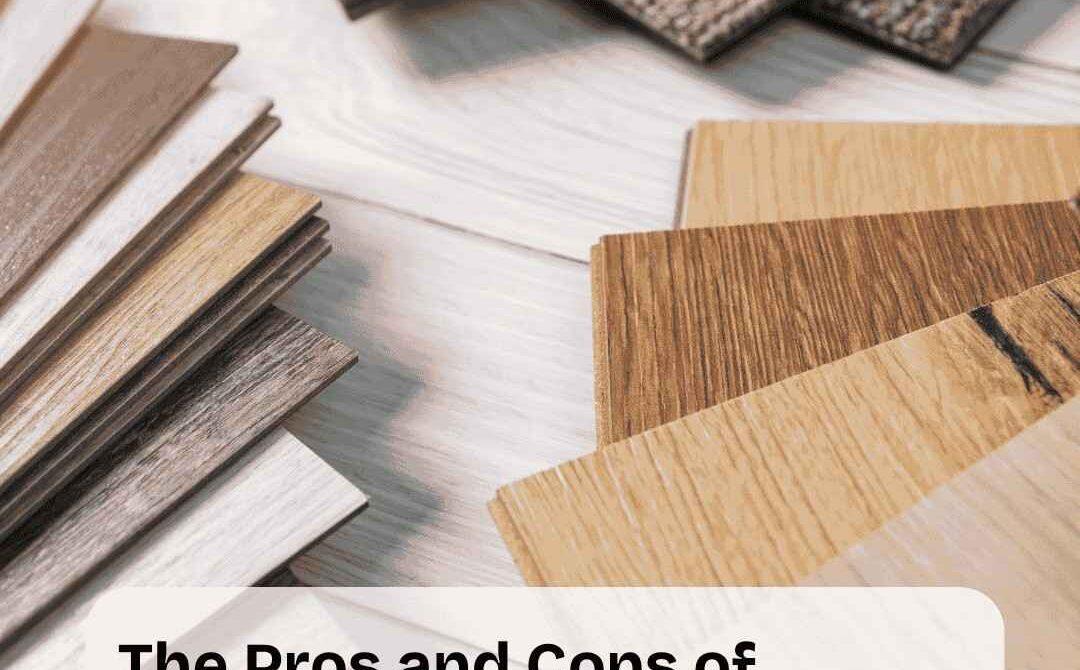
Rubber flooring is available in a wide variety of colors, patterns, and textures. This makes it easy to match the flooring to any interior design style, whether you prefer a modern, contemporary look or a more traditional aesthetic. From solid colors to multi-colored patterns, rubber flooring offers both functionality and style.
Cons of Rubber Flooring
1. Higher Initial Cost
Rubber flooring typically has a higher upfront cost compared to alternatives like vinyl, laminate, or carpet. However, its durability, low maintenance, and long lifespan often justify the investment over time.
2. Odor Issues
Some rubber flooring products may release a noticeable odor after installation. This usually dissipates with proper ventilation over a few days. It is worth considering if you are installing rubber flooring in indoor residential or office spaces.
3. Susceptibility to Sharp Objects
While durable, rubber flooring can be punctured or scratched by sharp objects. Dragging heavy furniture or tools across the surface may cause damage. Using protective pads and handling equipment carefully can prevent this issue.
4. Limited Luxury Design Options
Although rubber flooring comes in various colors and textures, it may not provide the same luxurious or intricate design options as materials like hardwood, marble, or tile. For spaces where high-end aesthetics are the top priority, this could be a limitation.
5. Surface Texture Variations
Some types of rubber flooring can become slippery when wet. Choosing the appropriate texture for the intended space is essential to ensure safety. Non-slip or textured finishes can help mitigate this risk, especially in wet or high-traffic areas.
FAQs
What are the cons of rubber flooring?
Rubber flooring can be costly to install, may release an odor after installation, and can get damaged by sharp objects. Some smooth types may also become slippery when wet.
Can mold grow under rubber flooring?
Yes, mold can grow if moisture gets trapped beneath the flooring. Proper subfloor drying, sealing, and ventilation help prevent this issue.
What is the lifespan of rubber flooring?
Rubber flooring typically lasts 15 to 30 years, depending on its quality, installation, and maintenance routine.
What are the pros and cons of rubber?
Rubber is durable, slip-resistant, and easy to maintain, but it can be expensive and limited in design options.
Conclusion
Rubber flooring is a practical, safe, and stylish option for homes, offices, gyms, and commercial spaces. It offers benefits such as durability, slip resistance, comfort, low maintenance, noise reduction, and eco-friendliness. While the higher upfront cost and limited luxury design options may be concerns for some, the long-term advantages often outweigh these drawbacks.
To avoid potential issues and ensure top quality, always purchase authentic rubber flooring products at the best prices from ISMAT Trading. Choosing the right type of rubber flooring and ensuring proper installation will allow you to enjoy a functional, attractive, and safe flooring solution that lasts for years.
Explore More Expert Insights
Discover high-performance seals, plastics, rubber products, gaskets, and building protection solutions for your next project.
- Polyurethane vs Rubber: Which Is Better for Your Business? – Best Material Choice for Industrial Performance
- How to Choose the Right Caster Wheel for Your Equipment – Strong & Smooth Wheels for Heavy-Duty Use
- Silicone vs Rubber: Understanding the Key Differences – Compare Durability, Flexibility & Use Cases
- Why Choose Engineering Plastics Over Metal Components? – Lightweight, Durable & Cost-Effective Solution
- 5 Initiatives Transforming Manufacturing in UAE – Innovations Powering UAE’s Industrial Future


