
No products in the cart.

 23Jun
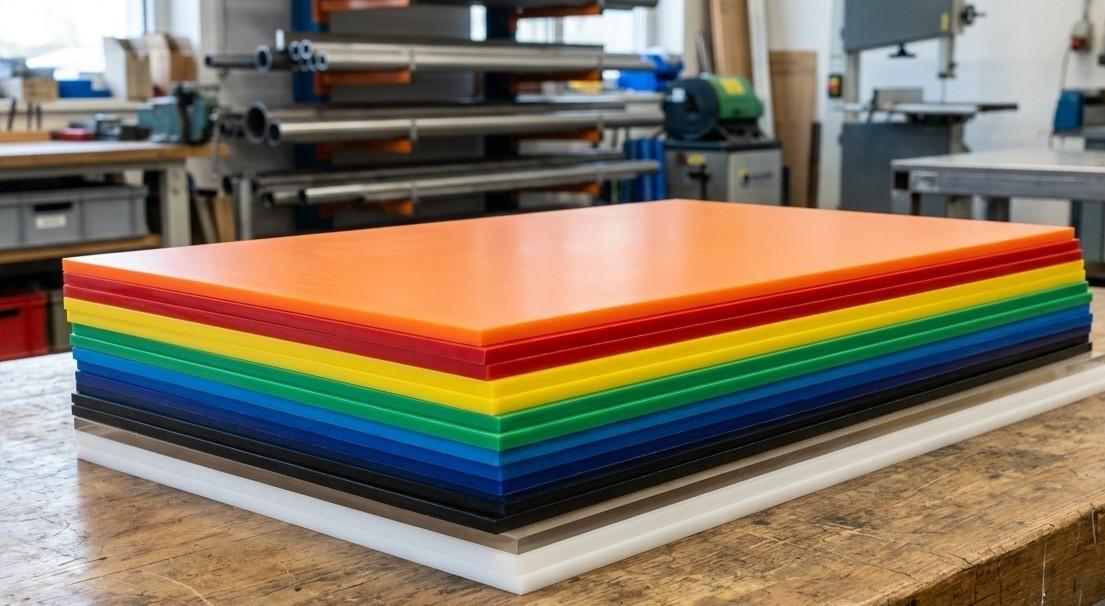
23JunPolyurethane sheets are among the most versatile engineering materials used across industries, ranging from manufacturing and construction to mining and transportation. Known for their exceptional durability, flexibility, and abrasion resistance, polyurethane sheets offer a reliable alternative to rubber, plastic, and metal in demanding industrial environments.
Whether you are looking for wear-resistant liners, impact-resistant components, or custom-fabricated industrial parts, understanding the properties and uses of polyurethane sheets can help you select the most suitable material for your application.
What Are Polyurethane Sheets?
Polyurethane sheets, often called PU sheets or urethane sheets, are synthetic polymer materials manufactured in flat sheet form. They are produced through a chemical reaction between polyols and isocyanates, resulting in a highly durable elastomer with unique mechanical and physical properties.
Unlike conventional rubber sheets, polyurethane sheets combine elasticity with outstanding resistance to abrasion, chemicals, oils, and heavy loads. These characteristics make them ideal for demanding industrial and commercial environments where long service life is critical.
Key Properties of Polyurethane Sheets
1. Excellent Abrasion Resistance
One of the most valuable features of polyurethane sheets is their exceptional resistance to wear and abrasion. In many industrial applications, polyurethane can outperform natural rubber and several plastics when exposed to friction, sliding, and repetitive impacts.
This property makes polyurethane sheets ideal for:
- Conveyor system components
- Material handling equipment
- Chutes and hoppers
- Mining equipment liners
- Wear pads
2. High Load-Bearing Capacity
Polyurethane sheets can withstand substantial loads without permanent deformation. Their high tensile strength and resilience allow them to absorb shock while maintaining their shape.
Industries that handle heavy machinery and equipment often use polyurethane components because they provide both strength and flexibility.
3. Superior Impact Resistance
Industrial environments frequently expose materials to repeated impacts. Polyurethane sheets absorb and dissipate impact energy effectively, reducing damage to equipment and extending operational life.
Applications include:
- Protective bumpers
- Impact pads
- Machine guards
- Shock absorbers
4. Chemical and Oil Resistance
Many grades of polyurethane offer excellent resistance to oils, greases, fuels, and industrial chemicals. This makes polyurethane sheets suitable for harsh operating conditions where other materials may degrade quickly.
Common industries using chemical-resistant polyurethane sheets include:
- Manufacturing
- Automotive
- Oil and gas
- Chemical processing
5. Flexibility and Elasticity
Polyurethane maintains flexibility over a wide range of operating conditions. It can bend, stretch, and recover without cracking or losing structural integrity.
This flexibility allows manufacturers to fabricate polyurethane sheets into custom components, seals, gaskets, and protective linings.
6. Weather and Environmental Resistance
Polyurethane sheets perform well in outdoor environments and can resist exposure to moisture, ozone, and varying weather conditions. Certain grades are also UV-resistant, making them suitable for external applications.
7. Noise and Vibration Reduction
Because polyurethane absorbs vibrations effectively, it is frequently used in machinery and equipment to reduce operational noise and improve system performance.
Types of Polyurethane Sheets
Standard Polyurethane Sheets
These are general-purpose sheets suitable for wear protection, sealing, and industrial fabrication applications.
Transparent Polyurethane Sheets
Clear polyurethane sheets provide excellent visibility while maintaining strength and abrasion resistance. They are commonly used in protective barriers and inspection windows.
Cast Polyurethane Sheets
Cast polyurethane sheets offer superior mechanical properties and are widely used in heavy-duty industrial environments requiring maximum durability.
High-Hardness Polyurethane Sheets
These sheets provide enhanced load-bearing capacity and wear resistance for demanding industrial applications.
Food-Grade Polyurethane Sheets
Certain food-grade polyurethane sheets are manufactured to comply with food industry requirements, these sheets are commonly used in food processing and packaging equipment.
Common Uses of Polyurethane Sheets
Mining Industry
Mining operations subject equipment to extreme wear conditions. Polyurethane sheets are used as:
- Screen panels
- Wear liners
- Conveyor skirting
- Impact protection systems
- Material transfer chute linings
Their abrasion resistance helps reduce maintenance costs and equipment downtime.
Manufacturing and Industrial Processing
Manufacturing facilities use polyurethane sheets for numerous applications, including:
- Machine guards
- Protective covers
- Wear strips
- Roll coverings
- Gaskets and seals
Their durability contributes to longer equipment life and improved operational efficiency.
Construction Industry
Construction companies utilize polyurethane sheets in applications such as:
- Equipment protection
- Vibration damping
- Expansion joint fillers
- Protective pads
- Shock-absorbing components
Their ability to withstand heavy loads makes them suitable for demanding construction environments.
Material Handling Systems
Material handling operations often involve continuous movement of abrasive materials. Polyurethane sheets help protect equipment by serving as:
- Conveyor liners
- Guide rails
- Wear plates
- Impact pads
- Protective barriers
Automotive Sector
The automotive industry uses polyurethane sheets for:
- Vibration isolation
- Noise reduction components
- Protective linings
- Suspension-related applications
- Industrial tooling
Their combination of flexibility and strength makes them highly valuable in automotive manufacturing.
Agricultural Equipment
Agricultural machinery operates in challenging conditions involving dirt, moisture, and abrasion. Polyurethane sheets are commonly used in:
- Harvester components
- Protective liners
- Conveyor systems
- Equipment wear protection
Marine Applications
Polyurethane’s resistance to moisture and harsh environmental conditions makes it suitable for marine applications, including:
- Dock protection systems
- Fender pads
- Impact-resistant surfaces
- Equipment protection
Advantages of Polyurethane Sheets Over Rubber
While rubber remains widely used in industrial applications, polyurethane sheets offer several advantages:
| Feature | Polyurethane Sheets | Rubber Sheets |
| Abrasion Resistance | Excellent | Good |
| Load Capacity | Higher | Moderate |
| Tear Resistance | Excellent | Moderate |
| Oil Resistance | Excellent | Varies |
| Service Life | Longer | Shorter |
| Impact Resistance | Excellent | Good |
These advantages often result in lower maintenance requirements and reduced replacement costs.
How to Choose the Right Polyurethane Sheet
Selecting the appropriate polyurethane sheet depends on several factors:
Consider Hardness
Polyurethane sheets are available in different hardness levels measured on the Shore scale. Softer grades offer greater flexibility, while harder grades provide better wear resistance.
Evaluate Operating Conditions
Consider factors such as:
- Temperature range
- Chemical exposure
- Load requirements
- Impact levels
- Outdoor exposure
Determine Thickness Requirements
The thickness of the sheet should match the demands of the application. Heavy-duty industrial environments generally require thicker sheets for optimal performance.
Check Industry Compliance
Certain applications, such as food processing or pharmaceutical manufacturing, may require specific certifications and material compliance standards.
Maintenance and Care
Polyurethane sheets require relatively little maintenance. To maximize service life:
- Perform regular inspections
- Remove accumulated debris
- Avoid exposure to incompatible chemicals
- Replace worn sections before significant damage occurs
- Follow manufacturer recommendations
Proper maintenance can significantly extend the lifespan of polyurethane components.
Conclusion
Polyurethane sheets are widely used across industries due to their excellent abrasion resistance, flexibility, impact strength, and long service life. These properties make them ideal for applications such as wear liners, seals, conveyor components, and protective pads.
For high-quality polyurethane sheet solutions, Ismat Trading provides reliable materials designed for demanding industrial applications. Their product range helps businesses select the right material for performance and durability needs.
Contact Ismat Trading today to discuss your requirements and choose the right polyurethane sheet for your application.
Helpful Guides You May Like
- What Is a Caster Wheel? Guide to Types, Sizes & Uses: Move smarter with the right caster wheel choice for every application.
- Top Causes of Seal Failure and How to Prevent Them: Identify the root causes of seal failure and apply proven strategies to maximize sealing performance
- High Performance Seals: Types, Benefits & Industrial Uses: Explore high performance seals, their types, benefits, and key industrial applications
- Advantages of Polyurethane Parts in Harsh Saudi Environments: Durable polyurethane solutions built to withstand Saudi Arabia’s toughest conditions.
- Top 14 Rubber Product Defects & Proven Fixes: Identify common rubber manufacturing defects and learn practical fixes to improve product quality.


