
No products in the cart.

 3Apr
3AprHow Wheel Chocks Work to Prevent Accidents
Safety is a top priority in industries involving vehicles, heavy machinery, and transportation. One often overlooked yet essential safety tool is the wheel chock. Whether used in construction sites, warehouses, airports, or even residential settings, wheel chocks play a critical role in preventing accidental movement of vehicles.
This blog explores how wheel chocks work, why they are important, and how they significantly reduce the risk of accidents in various environments.
What Are Wheel Chocks?
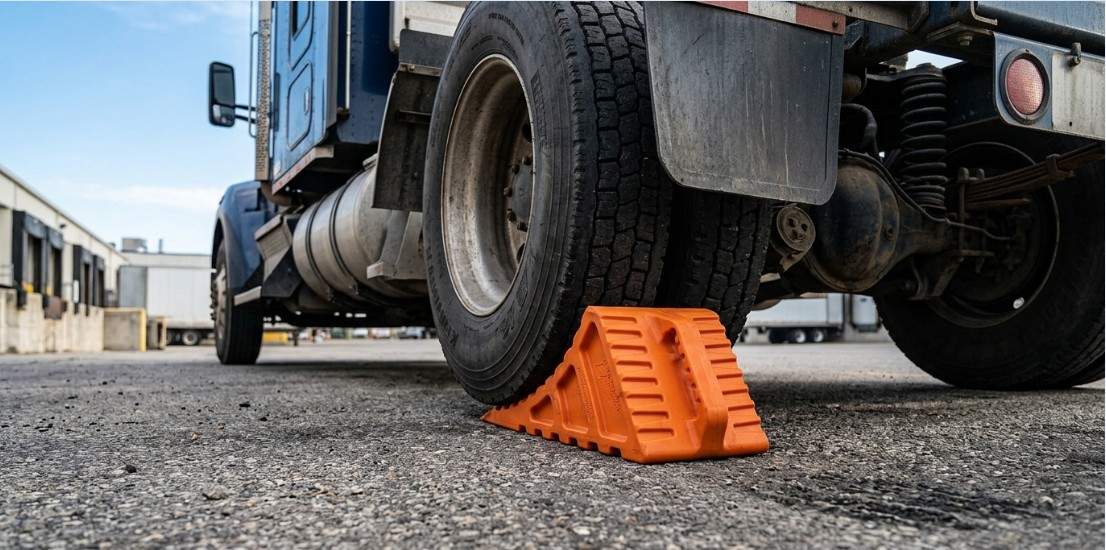
Wheel chocks are sturdy wedges placed against a vehicle’s wheels to prevent unintended movement. They are typically made from durable materials such as rubber, metal, plastic, or wood and are designed to hold vehicles securely in place.
Types of Wheel Chocks
Different applications require different types of wheel chocks. Some common types include:
- Rubber Wheel Chocks: Known for their strong grip and durability.
- Metal Wheel Chocks: Ideal for heavy duty industrial use.
- Plastic Wheel Chocks: Lightweight and resistant to weather conditions.
- Polyurethane Wheel Chocks: Highly durable and resistant to oil, chemicals, and extreme conditions ideal for industrial environments
- Wooden Wheel Chocks: Often used for temporary or low cost applications.
How Wheel Chocks Work
Wheel chocks function based on a simple yet highly effective principle: blocking movement through resistance and friction.
- Creating a Physical Barrier
Wheel chocks are placed snugly against the tire, usually on both sides, forming a physical barrier that prevents rolling.
- Utilizing Friction and Grip
The materials used, especially rubber, create friction between the tire and the ground, minimizing slippage.
- Supporting Gravity Resistance
On slopes, gravity pulls vehicles downward. Wheel chocks counteract this force, ensuring the vehicle remains stationary.
Why Wheel Chocks Are Essential for Safety
Wheel chocks are essential because they keep vehicles from rolling unexpectedly, especially on slopes or uneven surfaces. They provide extra security alongside parking brakes, helping reduce accidents and improve overall safety.
- Preventing Rollaways
They act as a backup when parking brakes fail, preventing dangerous vehicle movement.
- Enhancing Workplace Safety
Workers operating near parked vehicles benefit from reduced accident risks.
- Supporting Loading and Unloading
They stabilize vehicles during weight shifts, avoiding sudden movements.
Wheel Chocks vs Other Safety Measures
| Safety Measure | Function | Effectiveness | Cost | Ease of Use |
|---|---|---|---|---|
| Wheel Chocks | Prevent wheel movement | High | Low | Very Easy |
| Parking Brake | Locks braking system | Medium | Included | Easy |
| Jack Stands | Support lifted vehicles | High | Medium | Moderate |
| Wheel Locks | Prevent theft & movement | Medium | Medium | Easy |
Common Applications of Wheel Chocks
Wheel chocks are widely used across multiple industries and everyday scenarios.
- Industrial and Construction Sites
Used for heavy machinery on uneven surfaces.
- Aviation Industry
Essential for securing aircraft when parked.
- Warehouses and Logistics
Used during loading/unloading of trucks.
- Residential Use
Helpful for trailers and vehicles on sloped driveways.
Best Practices for Using Wheel Chocks
Using wheel chocks correctly ensures maximum safety and effectiveness. Always place them firmly against the wheels on stable ground and use them in pairs for better stability. Regular inspection and proper sizing also help maintain their reliability over time.
- Proper Placement
Place chocks firmly against the tires on both sides.
- Choosing the Right Size
Match the chock size with vehicle weight and tire size.
- Regular Inspection
Check for damage, cracks, or wear regularly.
- Combine with Parking Brakes
Always use wheel chocks along with parking brakes.
Benefits of Using Wheel Chocks
Wheel chocks help prevent vehicles from rolling, improving safety in both industrial and everyday settings. They are easy to use, cost-effective, and provide an extra layer of protection alongside parking brakes.
- Cost-Effective
Affordable safety solution with long-term value.
- Easy to Use
No training required for proper usage.
- Durable
Designed to withstand heavy loads and harsh environments.
Common Mistakes to Avoid
Common mistakes include placing wheel chocks incorrectly, such as not positioning them snugly against the tire or using them on unstable surfaces. Using damaged or undersized chocks can also reduce effectiveness. These errors can increase the risk of vehicle movement and compromise safety. For example:
- Using Only One Chock
Always use at least two for maximum stability.
- Poor Placement
Incorrect positioning reduces effectiveness.
- Ignoring Maintenance
Damaged chocks can fail when needed.
AI Overview
Wheel chocks prevent vehicle movement by creating friction and resistance, making them essential for safety in industries, transport hubs, and construction environments.
FAQs
What are wheel chocks used for?
Wheel chocks are used to prevent vehicles from rolling when parked, especially on slopes or during loading and unloading.
Are wheel chocks necessary if I use a parking brake?
Yes, wheel chocks provide an extra layer of safety in case the parking brake fails.
Where should wheel chocks be placed?
They should be placed tightly against the wheels, ideally on both sides for maximum security.
What material is best for wheel chocks?
Rubber is often preferred due to its strong grip, but metal and plastic are also used depending on the application.
How many wheel chocks should be used?
At least two chocks should be used for better stability, especially on inclined surfaces.
Conclusion
Wheel chocks are a simple yet powerful tool for preventing accidents and ensuring safety in various environments. By creating a physical barrier, increasing friction, and counteracting gravity, they effectively stop unintended vehicle movement.
Whether in industrial settings, aviation, or everyday use, wheel chocks provide a reliable and cost-effective safety solution. For businesses looking to enhance workplace safety and invest in high-quality equipment, companies like IsmatTrading offer dependable solutions that align with industry safety standards. Their reach and expertise also support growing safety demands in regions such as India and the UAE, helping organizations maintain safer and more efficient operations.
Contact wheel chocks specialist for tailored guidance, quality products, and professional support in selecting and supplying the optimal caster wheels for construction applications across India and UAE.
Helpful Guides You May Like
- What Is a Caster Wheel? Guide to Types, Sizes & Uses: Move smarter with the right caster wheel choice for every application.
- Top Causes of Seal Failure and How to Prevent Them: Identify the root causes of seal failure and apply proven strategies to maximize sealing performance
- High Performance Seals: Types, Benefits & Industrial Uses: Explore high performance seals, their types, benefits, and key industrial applications
- Advantages of Polyurethane Parts in Harsh Saudi Environments: Durable polyurethane solutions built to withstand Saudi Arabia’s toughest conditions.
- Top 14 Rubber Product Defects & Proven Fixes: Identify common rubber manufacturing defects and learn practical fixes to improve product quality.


