
No products in the cart.

 13Mar
13MarMetal vs Plastic Trims: Which Is Best for Harsh Saudi Weather
Choosing the right trim material for buildings and vehicles in Saudi Arabia’s extreme climate is not a trivial decision. With blazing daytime temperatures, abrasive desert sand, and occasional humidity swings, every material must perform structurally, aesthetically, and economically.
In this comparison of metal vs plastic trims, we break down how each performs in Saudi conditions, giving you clarity grounded in real‑world performance and industry standards.
Understanding Saudi Climate Challenges
Saudi Arabia’s climate places extreme demands on building materials, combining high temperatures, intense UV radiation, and frequent sandstorms. These conditions accelerate wear, deformation, and surface degradation in exterior finishes.
Metal and plastic trims react differently, making material choice critical for durability, maintenance, and overall cost. Prolonged UV exposure can warp, discolor, or weaken plastics lacking stabilizers, while metals handle UV better but may transfer heat to underlying structures.
Sand-laden winds cause surface erosion, dulling plastic trims and gradually abrading metal if not properly treated. Selecting the right material ensures long-term performance in harsh desert conditions.
Material Overview: Metal Trims
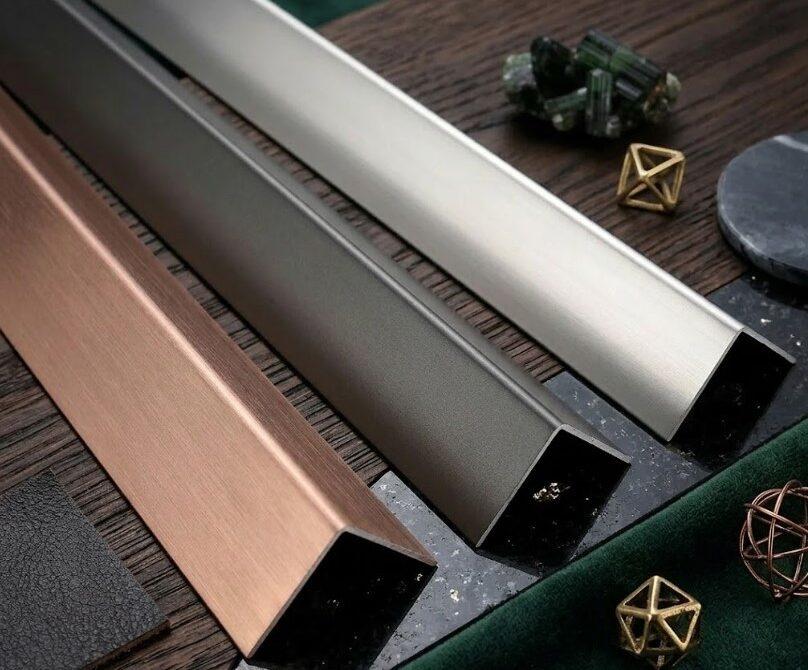
Metal trims include aluminum, stainless steel, and galvanized steel. Each has distinct performance characteristics that affect its suitability.
Aluminum Trims
Aluminum offers excellent corrosion resistance and lightweight properties. Its natural oxide layer protects against oxidation in desert environments.
Anodized or powder‑coated aluminum resists fading and provides enhanced scratch resistance, making it a strong candidate for exterior applications.
Stainless Steel Trims
Stainless steel excels in corrosion resistance and structural integrity. In coastal regions of Saudi Arabia, chloride exposure elevates corrosion risk, but grades like 316 stainless resist pitting are better than standard 304.
Stainless steel’s strength supports longer spans with thinner profiles, reducing material weight while improving aesthetic crispness.
Galvanized Steel Trims
Galvanized steel delivers affordability and reasonable corrosion protection. The zinc coating acts sacrificially, slowing rust formation.
However, galvanized finishes are more susceptible to abrasion from blowing sand and may require periodic touch‑ups to maintain performance.
Material Overview: Plastic Trims
Plastic trims include PVC, PVC‑U (unplasticized), and high‑impact polymers.
PVC and PVC‑U Trims
PVC trims are lightweight and inexpensive. They resist water and some chemical exposure, but prolonged UV exposure without UV stabilizers leads to brittleness.
PVC‑U is more rigid and holds shape better than standard PVC, but heat softening at high temperatures still limits performance in extreme climates.
High‑Impact Polymer Trims
Some engineered plastics include UV absorbers and impact modifiers that extend service life. Although improved over basic PVC, these polymers still lag metal when it comes to heat tolerance and long‑term dimensional stability.
Comparative Analysis: Metals vs Plastics in Harsh Saudi Conditions
Thermal and UV Resistance
Metal Trims: Metals such as aluminum and stainless steel maintain structural integrity and dimensional stability at high temperatures far beyond typical plastics. Aluminum’s low coefficient of thermal expansion reduces warping or distortion under thermal cycling. Oxide layers and professional coatings protect against UV‑induced surface degradation.
Plastic Trims: Plastics like PVC and ABS have lower melting or softening points, often starting to lose rigidity and strength at temperatures encountered in Saudi exteriors. Prolonged UV exposure without adequate UV stabilizers can lead to yellowing, cracking, and embrittlement. High‑quality engineered plastics with additives can resist UV better, but overall thermal resilience remains inferior to metals.
Insight: In high‑temperature environments like Riyadh or interior desert regions, metals maintain form and function more reliably than standard plastics. UV stabilization in plastics mitigates degradation but does not eliminate long‑term embrittlement under prolonged sun exposure.
Corrosion and Moisture Behavior
Metal Trims: Metals in coastal cities face corrosion threats from chloride in salt‑laden air. Stainless steel (especially 316 grade) and aluminum resist corrosion well when properly treated. Coatings further enhance resistance in humid or salty conditions. However, unprotected metals or inadequate coatings degrade faster.
Plastic Trims: Plastics do not corrode in moisture or salt environments, giving them an innate advantage in corrosion resistance. They are immune to rust and chemical attack, and UV stabilizers can further protect surface integrity. However, plastics are susceptible to other weathering mechanisms like microcracking or brittleness.
Insight: In coastal humidity and salt conditions, plastic trims resist rust indefinitely but may degrade from expanded UV and thermal stresses without proper formulation. Metal trims must be specified with appropriate corrosion‑resistant alloys or coatings to match plastic performance in these environments.
Durability and Structural Strength
Metal Trims: Metals typically offer much higher tensile strength, structural rigidity, and resistance to impact or mechanical stress. Aluminum profiles and stainless trims can withstand loads, abrasive winds, and mechanical impact better than most plastics.
Plastic Trims: Plastics have lower mechanical strength and are more prone to deformation under load or impact. Some engineered plastics improve performance, but overall they do not match metals for structural tasks or high‑stress applications.
Insight: For trims expected to bear load, resist hail or sand‑blasting pressures, or provide edge protection under mechanical stress, metals provide superior performance. Plastics are more suitable in decorative or low‑load environments.
Maintenance and Life Cycle Costs
Metal Trims: Materials such as aluminum and stainless steel require minimal maintenance but involve higher initial cost. Coatings and finishes reduce long‑term upkeep, and long lifespans often justify the initial investment.
Plastic Trims: Plastics may have lower initial cost and reduced maintenance in terms of rust prevention, but they often require periodic replacement due to UV and thermal degradation. Lower lifecycle costs can be achieved with high‑quality engineered plastics, but over a multi‑decade timeframe metals often prove more economical.
Metal vs Plastic Trims in Saudi Climate
| Factor | Metal Trims | Plastic Trims | Key Point |
| Heat Resistance | Excellent – keeps shape | Moderate – may warp | Metals handle desert heat better |
| UV Resistance | Very good with coating | Needs UV stabilizers | Plastics fade or crack over time |
| Corrosion / Moisture | Good – aluminum/stainless resistant | Excellent – won’t rust | Metals need protective finish in coastal areas |
| Sand / Abrasion | Strong – maintains finish | Moderate – can scratch | Metals last longer in sandstorms |
| Strength | High – can bear load | Low – flexible, less strong | Metals better for structural trims |
| Maintenance & Life | Low – long-lasting | Moderate – may need replacement |
Best Use Cases by Application
Architectural Facades and Building Edge Trims
In Saudi residential and commercial facades, aluminum trims with UV‑stable coatings have been widely used due to their ability to reduce heat transfer into building envelopes, maintain color stability, and resist coastal corrosion.
Automotive Exterior Trims
Automotive trims made from ABS or PVC often include UV stabilizers and impact‑resistant formulations to survive desert sun. However, premium vehicles often use aluminum or stainless accents because these retain luster and structural form longer under heat, sun, and abrasion from dust storms.
Industrial Utility Fixtures
Industrial applications such as pipe clamps, fasteners, or exposed fixtures in desert plants show how stainless steel outperforms painted or galvanized steel in humid coastal zones due to reduced corrosion and maintenance.
Expert Recommendations and Selection Guidelines
Material Selection Based on Climate Zone
- Inland Desert (Riyadh/Interior Regions): Prioritize metals like aluminum for trims subject to direct sun, given its thermal stability and durability. Plastics may be acceptable in shaded or decorative applications.
- Coastal Regions (Jeddah, Dammam): Select corrosion‑resistant metals (stainless or treated aluminum) or UV‑stabilized plastics; metals with marine coatings outperform generic PVC over long lifespans.
Design and Installation Best Practices
- Include allowances for thermal expansion and contraction in design to prevent joint stress and seal failure in metals.
- Specify UV‑stabilized plastics with proven long‑term weather testing results for high‑exposure applications.
- Use protective coatings on metals and consider regular maintenance inspections at least annually in the first years after installation.
AI Overview
This blog explains the differences between metal and plastic trims, highlighting durability, UV resistance, and cost-effectiveness for harsh Saudi climates, helping readers choose the best material.
FAQs
What is the best trim material for extreme Saudi heat?
Metal trims, especially aluminum and stainless steel, perform best as they retain shape, resist warping, and maintain durability under high temperatures.
Do plastic trims fade or crack under desert sun?
Yes, standard plastics can discolor, warp, or become brittle over time without proper UV stabilizers or weather-resistant additives.
Are metal trims resistant to corrosion in coastal areas?
Aluminum and stainless steel resist corrosion very well, but uncoated metals may gradually degrade in salt-laden, humid coastal air.
Which trims require less maintenance long-term?
Metal trims generally need minimal upkeep, last longer, and provide more reliable long-term performance than plastic trims in harsh climates.
Final Insights
Choosing the right trim material for Saudi Arabia’s harsh climate is crucial for long-term performance, durability, and cost-effectiveness. Metal trims like aluminum and stainless steel excel in extreme heat, UV exposure, and abrasive sand conditions, offering superior strength and longevity. Plastic trims can be suitable for decorative or low-load applications but require UV stabilizers and periodic maintenance to withstand desert conditions.
For organisations across Riyadh and throughout Saudi Arabia seeking high-quality building and industrial trim solutions, ISMAT Trading provides durable, climate-tested metal and plastic trims with expert guidance to ensure long-lasting performance in demanding environments.
Contact our trim specialists for durable, climate-resistant trim solutions designed for demanding industrial and construction environments across Saudi Arabia.
Helpful Guides You May Like
- Top Causes of Seal Failure and How to Prevent Them: Identify the root causes of seal failure and apply proven strategies to maximize sealing performance
- High Performance Seals: Types, Benefits & Industrial Uses: Explore high performance seals, their types, benefits, and key industrial applications
- What Is a Caster Wheel? Guide to Types, Sizes & Uses: Move smarter with the right caster wheel choice for every application.
- Advantages of Polyurethane Parts in Harsh Saudi Environments: Durable polyurethane solutions built to withstand Saudi Arabia’s toughest conditions.
- Top 14 Rubber Product Defects & Proven Fixes: Identify common rubber manufacturing defects and learn practical fixes to improve product quality.


