
No products in the cart.

 13Feb
13FebWhat Is a Caster Wheel? Guide to Types, Sizes & Uses
Caster wheels are essential components in many industries, enabling smooth mobility for equipment, furniture, and machinery. Whether in manufacturing plants, hospitals, or offices, these wheels provide stability, ease of movement, and load-bearing capacity, making them critical for operational efficiency.
Understanding caster wheels, their types, sizes, and uses can help businesses and individuals select the right solution for their needs.
What Is a Caster Wheel?
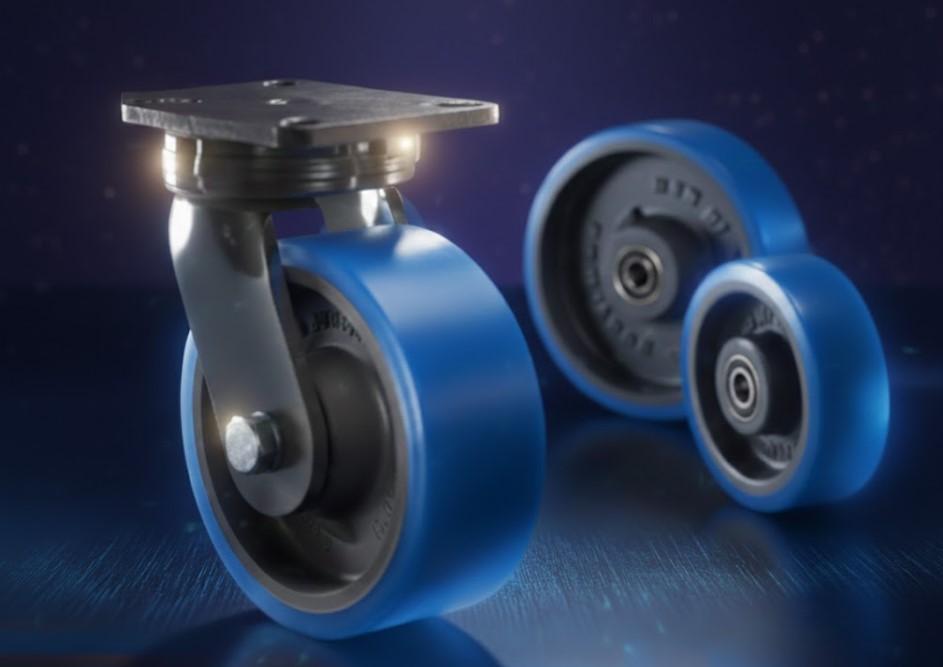
A caster wheel is a wheel mounted to a bracket or frame, allowing objects to move easily across floors. Unlike fixed wheels, caster wheels can swivel, rotate, or lock, providing both maneuverability and stability.
They are widely used in applications ranging from industrial trolleys and hospital beds to office chairs and retail displays. Caster wheels come in various materials, such as polyurethane, rubber, stainless steel, and nylon, each suited for specific floor types, loads, and environmental conditions.
For example, polyurethane wheels offer low noise and floor protection, while stainless steel casters are ideal for heavy-duty or corrosive environments.
Why Caster Wheels Is Important
Selecting the right caster wheel affects efficiency, safety, and equipment longevity. Improper wheels can damage floors, increase effort for movement, or cause accidents.
Businesses that invest in high-quality caster wheels benefit from reduced maintenance costs, smoother operations, and improved ergonomics for workers handling heavy loads.
Types of Caster Wheels
Caster wheels are classified based on mobility, mounting, and material. Understanding these categories ensures the right choice for your application.
1. Swivel Casters
Swivel casters rotate 360 degrees, allowing equipment to turn easily in tight spaces. They are common in hospitals, warehouses, and retail environments where maneuverability is essential.
2. Rigid or Fixed Casters
Rigid casters move only forward and backward, providing stability for straight-line movement. They are often paired with swivel casters to balance mobility and control.
3. Locking Casters
Locking casters include a brake mechanism that prevents movement when stationary. These are used in medical equipment, workstations, and industrial carts to ensure safety during use.
4. Heavy-Duty Casters
Designed for industrial machinery and large loads, heavy-duty casters are made from steel, stainless steel, or reinforced polyurethane. They support high weights and withstand harsh conditions, including chemical exposure and extreme temperatures.
5. Specialty Casters
Specialty casters serve niche applications, including anti-static wheels for electronics, conductive casters for cleanrooms, and pneumatic wheels for outdoor or uneven surfaces.
Caster Wheel Sizes
Caster wheel diameter affects load capacity, floor protection, and ease of movement. Common sizes range from 2 inches to over 12 inches, depending on the application. Smaller wheels are suitable for furniture or light equipment, while larger wheels handle heavy industrial loads and uneven terrain.
Wheel width and tread material also influence performance. Wider treads distribute weight evenly, reducing floor damage, and softer treads minimize noise.
Materials and Their Uses
Selecting the correct material ensures durability and suitability for specific environments.
- Polyurethane Wheels: Durable, quiet, and floor-friendly, suitable for indoor floors.
- Rubber Wheels: Provide shock absorption and grip, ideal for delicate floors and noise-sensitive areas.
- Nylon Wheels: Hard and lightweight, suitable for high-load applications on smooth surfaces.
- Stainless Steel Wheels: Resistant to corrosion and chemicals, ideal for food processing, marine, and industrial environments.
How to Choose the Right Caster Wheel
Selecting a caster wheel involves assessing several factors:
- Load Capacity: Calculate the total weight, including equipment and contents, and choose a wheel rated for that load.
- Floor Type: Consider flooring material—hardwood, concrete, or carpet—to select a tread that minimizes damage and ensures smooth movement.
- Environment: For wet, chemical, or outdoor conditions, stainless steel or corrosion-resistant wheels are preferable.
- Maneuverability: Choose swivel casters for tight spaces and rigid casters for straight-line movement.
- Noise and Vibration: Rubber or polyurethane wheels reduce noise in offices, hospitals, or libraries.
- Maintenance: Look for wheels with sealed bearings and durable materials to minimize maintenance.
Installation and Maintenance
Proper installation ensures optimal performance. Casters should be securely mounted to equipment using the recommended bolts or plates. Periodic inspection, lubrication of bearings, and replacement of worn treads prevent downtime and extend the wheel’s lifespan.
Applications of Caster Wheels
Caster wheels are versatile and widely used across industries:
- Industrial and Manufacturing: For machinery, pallets, and material handling carts.
- Healthcare: Hospital beds, surgical equipment, and IV stands.
- Office and Retail: Chairs, movable displays, and storage units.
- Food Service: Kitchen trolleys, carts, and refrigeration equipment.
- Marine and Outdoor: Corrosion-resistant wheels for boats, docks, and uneven terrains.
Standards and Certifications
Reliable caster wheels often comply with industry standards such as ISO 9001, DIN, or ANSI. Certifications indicate load testing, material quality, and safety compliance. For medical or food applications, wheels may meet FDA or hygiene standards.
Warranty and Support
Heavy-duty caster wheels come with warranties ranging from one to five years, covering material defects and manufacturing faults.
Many suppliers also provide customer support for installation, technical specifications, and replacements, ensuring buyers make informed decisions.
FAQs
What is a caster wheel?
A caster wheel is a wheel mounted on a frame or bracket that allows objects to move easily and smoothly. It is commonly used in furniture, equipment, and industrial machinery.
How do I choose the right caster wheel?
Choose based on load capacity, floor type, environment, and mobility needs. Proper selection ensures safety, durability, and smooth movement.
What are the types of caster wheels?
Main types include swivel, rigid, locking, heavy-duty, and specialty casters, each designed for specific movement and load requirements.
Can caster wheels be used outdoors?
Yes, outdoor applications require durable materials like stainless steel or pneumatic wheels for uneven surfaces and weather resistance.
Conclusion
Choosing the right caster wheel is essential for smooth movement, safety, and operational efficiency across industrial, commercial, and medical applications. By considering load capacity, floor type, material, and mobility requirements, businesses can ensure long-lasting performance and reduced maintenance costs.
For businesses in Riyadh, Saudi Arabia, ISMAT Trading is a reliable source for high-quality caster wheels and mobility solutions designed to perform in demanding industrial and commercial environments.
Contact our experts to select the perfect caster wheel for your equipment and applications.
Helpful Guides You May Like
- Advantages of Polyurethane Parts in Harsh Saudi Environments: Durable polyurethane solutions built to withstand Saudi Arabia’s toughest conditions.
- Why Choose Performance Seals for Your Sealing Needs?: Reliable sealing solutions for demanding industries.
- Choosing the Right Mechanical Seal for Your Industry: Avoid leakage and downtime with the right seal choice.
- Engineering Plastics: Types, Applications & Benefits: High-performance plastics for industrial applications.
- Polyurethane vs Traditional Materials: Which One Wins?: Compare durability, flexibility, and performance.


