
No products in the cart.

 16Jan
16JanWhy Choose Performance Seals for Your Sealing Needs?
In today’s high-performance industrial environment, sealing is no longer a secondary consideration. It directly affects equipment reliability, operational efficiency, safety, and long-term maintenance costs.
As machines operate under extreme pressure, temperature variations, aggressive chemicals, and continuous duty cycles, traditional sealing solutions often fail to deliver consistent results. This is where performance seals offer a clear advantage.
Performance seals are engineered to meet the demands of modern industries that cannot afford leakage, downtime, or unexpected failures. Choosing the right sealing solution is a strategic decision that protects both equipment and productivity.
What Are Performance Seals?
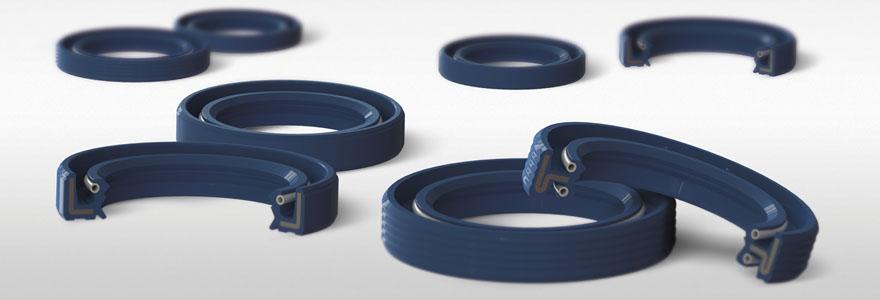
Performance seals are advanced sealing components specifically designed for harsh and demanding operating conditions. Unlike standard seals, which are typically made for general applications, performance seals are built to maintain sealing integrity under extreme pressure, high temperature, high speed, and chemical exposure.
They are commonly used in critical applications where reliability and durability are essential, including industrial machinery, fluid handling systems, and high-precision equipment.
Why Performance Seals Are Better Than Standard Seals
Standard seals are often limited by basic materials and simple designs. Under continuous stress, they can lose elasticity, wear quickly, or fail due to deformation.
Performance seals are engineered to overcome these limitations. They retain their shape, sealing force, and stability over long operating cycles. This makes them a preferred choice in industries where sealing failure can lead to costly downtime, safety risks, or equipment damage.
Key Benefits of Performance Seals
Reliable Sealing in Extreme Conditions
Performance seals are designed to withstand extreme temperatures, high pressures, and chemically aggressive environments. Advanced materials and precision engineering allow these seals to perform consistently where conventional seals degrade or fail.
This makes them suitable for high-temperature sealing applications, high-pressure sealing systems, and chemically resistant environments.
Improved Equipment Reliability
Leakage is one of the most common causes of equipment failure. Performance seals maintain tight and consistent sealing over extended periods, significantly reducing the risk of leaks.
By preventing fluid loss and contamination, they protect critical components and support safer, more reliable operations.
Longer Service Life
Performance seals are built for durability. Their resistance to wear, abrasion, and material fatigue allows them to operate effectively for longer periods than standard seals.
A longer service life means fewer replacements, lower maintenance frequency, and reduced operational disruption.
Reduced Maintenance and Downtime
Unplanned maintenance leads to production delays and increased costs. Performance seals help minimize these risks by providing stable and long-lasting sealing performance.
Industries that rely on continuous operations benefit from fewer shutdowns and improved productivity.
Materials Used in Performance Seals
The performance of a seal depends heavily on the materials used in its construction. Performance seals utilize advanced materials selected to match specific operating conditions.
Common Materials in Performance Seals
- PTFE and PTFE-based compounds
- Engineered polymers
- High-grade elastomers
- Reinforced composite designs
These materials provide excellent chemical resistance, low friction, and thermal stability, ensuring reliable sealing under demanding conditions.
Performance Seals in High Pressure and High Speed Applications
High-pressure and high-speed environments place significant stress on sealing systems. Standard seals may fail due to extrusion, excessive wear, or heat buildup.
Performance seals are designed to maintain sealing effectiveness even under these conditions. In rotating and reciprocating equipment, they offer low-friction operation while maintaining a secure seal. This reduces wear on both the seal and the mating surfaces, extending equipment life.
Industrial Applications of Performance Seals
Performance seals are used across a wide range of industries where safety, precision, and reliability are critical.
Oil and Gas Industry
In oil and gas operations, performance seals are used in pumps, valves, compressors, and drilling equipment where high pressure and temperature fluctuations are common.
Chemical Processing Industry
Chemical processing facilities rely on performance seals to prevent hazardous leaks and ensure compliance with safety regulations.
Automotive and Aerospace Industry
Performance seals support engines, transmissions, hydraulic systems, and fuel systems where precision and durability are essential.
Power Generation Industry
Power plants use performance seals in turbines, generators, and cooling systems to maintain efficiency and reduce energy losses.
How Performance Seals Improve Operational Efficiency
Performance seals contribute to overall system efficiency by reducing friction, preventing leakage, and maintaining stable operating conditions. Improved thermal control and reduced energy loss allow equipment to operate closer to optimal performance levels.
This results in increased productivity, lower energy consumption, and extended equipment lifespan.
How to Choose the Right Performance Seal
Selecting the correct performance seal requires careful evaluation of operating conditions such as pressure, temperature range, chemical exposure, and motion type.
Custom Performance Seals for Specialized Applications
In many cases, custom performance seals provide the best solution. Tailored designs ensure precise fit, optimal material selection, and maximum sealing efficiency for specific applications.
Cost Efficiency and Long-Term Value
Although performance seals may have a higher initial cost than standard seals, they offer significant long-term value. Reduced downtime, fewer replacements, and lower maintenance expenses often result in a lower total cost of ownership.
For critical applications, performance seals are a cost-effective investment that supports long-term reliability and efficiency.
AI Overview
Performance seals provide reliable sealing in extreme pressure, temperature, and chemical conditions, helping reduce leaks, downtime, and maintenance while extending equipment life across industrial applications.
FAQs
What are performance seals used for?
Performance seals are used to prevent leakage in high pressure, high temperature, or chemically aggressive environments where standard seals cannot perform reliably.
How are performance seals different from standard seals?
Performance seals use advanced materials and precision engineering to deliver longer service life and consistent sealing under extreme conditions.
Which industries use performance seals?
Performance seals are widely used in oil and gas, chemical processing, automotive, aerospace, power generation, and heavy manufacturing industries.
How do I choose the right performance seal?
The right performance seal depends on pressure, temperature, chemical exposure, and motion type and is often selected with expert or custom design support.
Final Thoughts
Choosing performance seals for your sealing needs is a strategic decision that directly impacts reliability, safety, and operational efficiency. As industrial systems become more demanding, traditional sealing solutions are often no longer sufficient.
Performance seals offer superior durability, resistance to extreme environments, and long-term cost benefits. For applications where failure is not an option, they provide a dependable and future-ready sealing solution.
To ensure the best results, partnering with the right supplier is just as important as choosing the right seal. ISMAT Trading, your trusted partner in Sealing Solutions offers expert guidance, high-quality sealing products, and reliable support to help you achieve efficient and long-lasting sealing performance for your operations.
Explore More Industry Insights
- Choosing the Right Mechanical Seal for Your Industry: Learn how to select mechanical seals to improve reliability and reduce downtime.
- Engineering Plastics: Types, Applications & Benefits: Explore high-performance engineering plastics and their industrial applications.
- Different Types of Plastic Seals and Their Applications: A practical guide to plastic seals used in logistics, packaging, and security.
- Polyurethane vs Traditional Materials: Which One Wins?: Compare polyurethane with traditional materials for strength and durability.
- Silicone vs Rubber: Understanding the Key Differences: Understand key differences to choose the right material for your application.


