
No products in the cart.

 10Dec
10DecUnderstanding Metal Trims and Their Key Uses
Metal trims play an essential role in modern construction and interior finishing. Whether used for walls, ceilings, floors, roofs, or exterior applications, they provide protection, durability, and a clean visual appeal.
Their rising demand across residential, commercial, and industrial projects shows how vital they have become. This guide explains everything you need to know about metal trims, their types, and their practical uses across different building systems.
What Are Metal Trims?
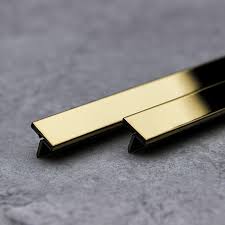
Metal trims are finishing components made from aluminum, stainless steel, galvanized steel, or brass. Their main function is to seal, protect, and enhance the edges or joints in structures. They prevent moisture penetration, damage, and wear in high-traffic or exposed areas.
These trims also help create smooth, professional transitions between materials like tile, drywall, stone, wood, and roofing sheets. Because of their versatility and long life span, metal trims are widely used in construction projects, interior design, and architectural detailing.
Why Metal Trims Matter in Modern Construction
Metal trims are more than decorative components. They serve several functional purposes that support durability and structural performance.
Edge Protection for Longevity
Edges are most vulnerable to chipping, cracking, and moisture exposure. Metal trims reinforce these weak points and extend the life of surfaces.
Moisture and Weather Resistance
In areas exposed to water or humidity, such as bathrooms, kitchens, and outdoor spaces, metal trims prevent water from seeping into joints or corners.
Enhanced Aesthetic Appeal
Trims create clean lines and a professional, seamless finish. They help hide imperfections and elevate the look of any installation.
Compatibility with Multiple Materials
Whether you’re using tiles, gypsum boards, marble, vinyl, or steel roofing, metal trims offer a suitable finishing solution.
Types of Metal Trims and Their Applications
Several types of metal trims are used in construction, each designed for a specific purpose.
L-Shaped Metal Trim
L trim is used to protect corners and edges. Its right-angle shape allows it to sit neatly over external edges, preventing impact damage and maintaining a sharp profile.
J-Trim for Panel Edges
J trim is commonly used at the ends of wall panels, gypsum boards, and siding systems. It hides rough edges and gives a smooth transition.
U-Channel Trim
U-channels hold materials like acrylic sheets, panels, or partitions securely in place. They’re often used in glass installations, decorative panels, and framing systems.
Metal Tile Trims
Tile trims such as round-edge, square-edge, and stair-nosing trims help finish tile edges and steps. They increase safety and prevent tile cracking.
Expansion Joint Trim
These trims absorb movement in building structures and prevent cracks in floors and walls. They are vital in large commercial projects.
Metal Trims for Roofing Systems
Metal roofing systems rely heavily on trims for complete sealing and protection.
Ridge Caps
Placed at the peak of roofs to prevent water infiltration.
Eave and Drip Edge Trims
These trims control water runoff and protect the roof’s lower edges from moisture damage.
Gable Trims
Used along the sloped edges of roofs to prevent wind and rain from entering the structure.
These components ensure the roofing system remains weatherproof and durable for years.
Benefits of Using Metal Trims
Metal trims are preferred because they offer advantages that other materials cannot match.
Long-Term Durability
Metal trims resist corrosion, impact, and harsh weather, making them ideal for indoor and outdoor use.
Easy Maintenance
They require minimal upkeep and maintain their appearance for years without fading or cracking.
Cost-Effective Finishing
Using metal trims reduces repair costs by protecting vulnerable edges and joints.
Where Metal Trims Are Most Commonly Used
Metal trims are used in a wide range of applications. Some of the most common include:
Tile and Flooring Installations
Trim pieces finish tile edges, protect exposed corners, and add slip resistance to stairs.
Wall Cladding and Partition Systems
They provide clean transitions between panels and protect drywall edges.
Roofing and Exterior Walls
Metal flashing and trims prevent moisture intrusion and maintain structural strength.
Furniture and Interior Design
Metal trims add decorative detailing to cabinets, shelves, and feature walls.
Tips for Choosing the Right Metal Trim
Choosing the right type of trim depends on the material, exposure level, and design requirements.
● Select stainless steel or aluminum for wet areas
● Use thicker gauge trims for heavy-traffic zones
● Match trim color with walls or tiles for a cohesive look
● Ensure the trim profile fits your material thickness
Consulting technical guidance helps ensure long-lasting and visually appealing results.
AI Overview
Discover how metal trims protect edges, prevent moisture damage, and enhance finishing across walls, floors, and roofs. Learn their key types, uses, and benefits for modern construction.
FAQs
What is the use of metal trim?
Metal trim protects edges, covers joints, and enhances the finishing of walls, floors, ceilings, and exteriors.
What is metal L trim used for?
Metal L trim is used to protect and strengthen external edges, corners, and transitions.
What trim is needed for a metal roof?
Metal roofs require ridge caps, drip edges, eave trims, and gable trims to seal joints and prevent water leakage.
What is metal roofing trim called?
Metal roofing trim is often called flashing and includes components like ridge caps, J trim, and drip edges.
Conclusion
Metal trims have become essential components in construction and interior finishing. Their strength, durability, and protective qualities make them ideal for enhancing both aesthetics and performance. From tile installations to roofing systems, they support long-term stability, weather resistance, and clean visual appeal.
With the right trims, contractors and designers can achieve safer, more durable, and visually refined structures. Ismat Trading is one of the most trusted suppliers of premium metal trims in Riyadh, Saudi Arabia.
For inquiries, bulk orders, or technical guidance, contact us today and get expert support for your project needs.
Explore More Expert Insights
Discover high-performance seals, plastics, rubber products, gaskets, and building protection solutions for your next project.
- Polyurethane vs Rubber: Which Is Better for Your Business? – Best Material Choice for Industrial Performance
- How to Choose the Right Caster Wheel for Your Equipment – Strong & Smooth Wheels for Heavy-Duty Use
- Different Types of Plastic Seals and Their Applications – Explore Plastic Seals Types, Uses, & Applications
- Polyurethane vs Traditional Materials: Which One Wins? – Choosing the Best for Durability, Flexibility and Cost
- 5 Initiatives Transforming Manufacturing in UAE – Innovations Powering UAE’s Industrial Future


